

REVIEW · DADAOCHENG & TAIPEI OLD TOWN WALKS
2-Hour Private Dadaocheng Walking Tour
Trade streets tell stories, even today. This private Dadaocheng walking tour focuses on Taipei’s old trade quarter, where you walk streets tied to foreign merchants and the tea, cotton, and silk textile business. I like how it keeps moving, so the history feels practical, not museum-only, and you get a guided route that ends right at the Dadaocheng waterfront.
You’ll also enjoy the “small details, big meaning” approach. The guide takes you through Dihua Street and into places tied to religion and everyday commerce, including a century-old temple and a textile market area. If your group wants tea, herbs, fabrics, and local life in one compact loop, this is a very efficient way to do it.
One drawback to plan for: the full experience is a lot of walking and the schedule can shift due to traffic or weather. Wear comfortable shoes, and if your legs are limited, this one may feel long even though it is about two hours.
In This Review
- Key things that make this tour worth your time
- Dadaocheng in two hours: what you’re really getting
- Meeting at Beimen MRT Exit 2 and finishing at the wharf
- Dihua Street: the trade street that explains the rest
- Yongle Textile Market: fabrics and the culture behind clothing
- Taipei Xia Hai City God Temple: religion as neighborhood routine
- Dadaocheng Wharf on the Tamsui River: where the trade story meets water
- The guide makes it click: Isabella, Alex Feng, and May Ei
- Price and value: is $35 per person fair?
- Best for: who will enjoy this the most
- Should you book the 2-hour Private Dadaocheng Walking Tour?
- FAQ
- How long is the 2-Hour Private Dadaocheng Walking Tour?
- Where do we meet for the tour?
- Where does the tour end?
- What stops are included on the route?
- Are there admission fees for the stops?
- What is included in the tour price?
- Are meals or transportation included?
- Is this tour private, and are service animals allowed?
- What happens if the weather is bad, or if I cancel?
Key things that make this tour worth your time
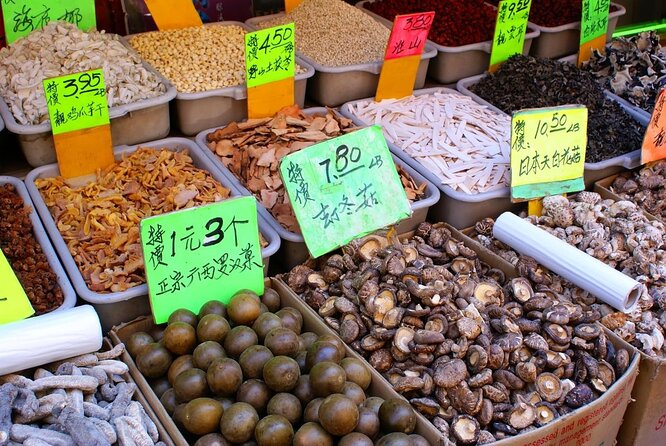
- A licensed English-speaking guide who connects temple practice, everyday commerce, and local materials like textiles
- Dihua Street as the backbone of the route, walking you through the trade-town story at street level
- Yongle Textile Market stop for a quick hit of textile industry culture and how fabric fits daily life
- Xia Hai City God Temple for a close look at local religious culture and the neighborhood habit of praying for peace and prosperity
- Dadaocheng Wharf end point so you finish with Taipei’s river and maritime setting
- Private, only your group format, which makes it easier to ask questions and move at your pace
Dadaocheng in two hours: what you’re really getting
Dadaocheng is Taipei’s older face. It is a district where the commercial story is written into the street plan, the storefront rhythm, and the mix of old buildings with working markets. A two-hour format sounds short, but the tour is built like a “greatest hits” walk: you get the trade street, the textile angle, a temple stop, and a wharf finale.
The real win is how the guide ties themes together. You are not just collecting facts. You are seeing how tea and herbs culture, clothing and textiles, and religious practice show up in the daily flow of the neighborhood. In the guide stories, I especially liked hearing how guides like Isabella or Alex Feng framed the area through merchant life, from fabrics to herbal medicine topics, so the stops feel connected rather than random.
If you want Taipei history that still feels lived-in, this route is aimed at exactly that.
Meeting at Beimen MRT Exit 2 and finishing at the wharf
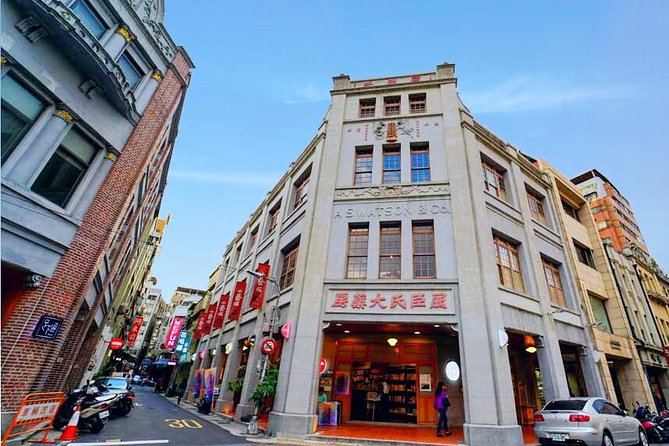
The tour meets at Beimen MRT Station, Exit 2, in Datong District. That matters because it is a simple start, and you do not need a long taxi ride just to begin the walk.
You’ll also end near Dadaocheng Wharf (the listing calls it Dadaocheng Dock). Ending at the water is a smart design choice. After walking through old streets and market zones, you naturally get a change of pace, plus a clearer sense of why this area mattered for trade.
Two practical notes before you go:
- The tour duration is approximate and can shift due to traffic or weather.
- The entire experience is on foot, so plan for steady walking.
If you prefer a tour where you barely move, this is not that. If you like stepping out and letting a neighborhood unfold one corner at a time, you’ll be happier than you think.
Deeper into old Taipei, on foot
Dihua Street: the trade street that explains the rest
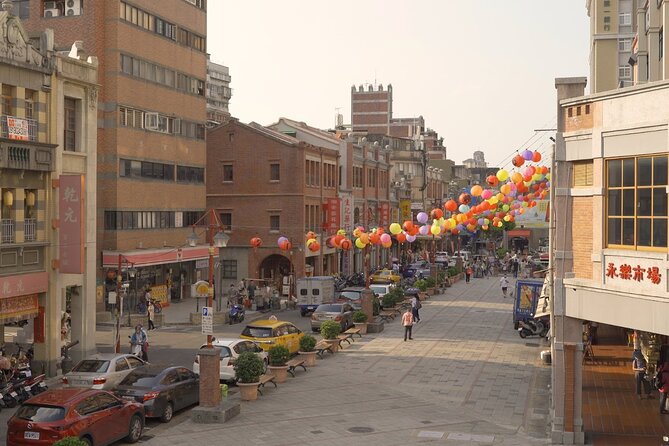
Dihua Street is the most important first stop because it sets the theme. This area and the wider Dadaocheng district were tied to the early days of international trade and the growth of business through the late Qing Dynasty into the early Japanese era. That means you are standing in a place where the “why” behind later stops makes sense.
What you’ll likely notice as you walk is how the street works as a corridor for commerce. Even without advanced background, the guide can point out how foreign merchants and trade specialties shaped the local economy. In a short time, you get the big picture: tea, cotton, and silk textile activity were not random local hobbies, they were connected to what the port needed.
A subtle benefit here is pacing. Starting with Dihua Street keeps you oriented. You learn the story early, and then the rest of the tour stops feel like supporting chapters.
Possible drawback: because it is a walking route, you’ll get more from the first stop if you stay attentive. If you tune out at the start, the middle stops may feel more like separate sights.
Yongle Textile Market: fabrics and the culture behind clothing
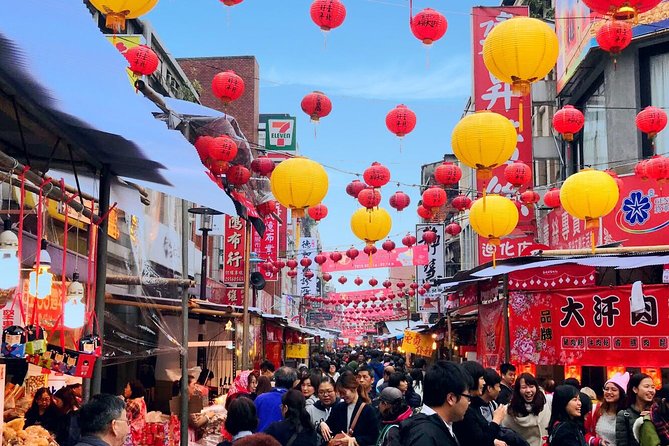
Next comes Yongle Textile Market, a focused stop that puts textiles into cultural context. The point is not to turn this into a shopping trip. It is to understand the textile industry culture that shaped what people wore and how goods moved.
Textiles are one of those topics that can sound dry until a guide explains how they tie into trade and daily life. I found this stop especially well suited for visitors who like practical culture, the kind you can connect to real life. One guide-led angle you may hear about includes how merchant culture and fabric materials shaped the neighborhood economy.
In a two-hour tour, the market stop is brief (around 10 minutes), so do not expect a long browsing session. Treat it like a “culture stop.” If you are the type who loves talking to shop owners, taking photos of storefront details, and asking about materials, you’ll get value from having a licensed guide to frame what you see.
Quick consideration: if you are not interested in textiles at all, this stop might feel like a smaller portion of your personal highlight reel. Pair that preference with what you truly want from the tour, tea and herbs culture, temple traditions, and the waterfront ending, and you can still make the route work.
More Taiwan on foot, at a human pace

Taipei Xia Hai City God Temple: religion as neighborhood routine

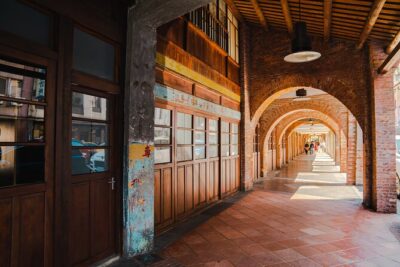
The Taipei Xia Hai City God Temple stop adds a different layer: religion and community practice. This is described as a century-old temple in Dadaocheng, and the focus is on understanding Taiwanese religious culture, not just looking at architecture.
This is also where you get a hands-on feeling for how prayer fits the local routine. The tour includes the idea of making a wish for ensuring prosperity and peace, and it mentions that young people still come to pray. That detail helps you avoid treating temples as only tourist scenery. You get a sense that the temple is part of real life.
Time wise, this is about 30 minutes. That is enough for orientation and explanation, plus time to take in the atmosphere without rushing.
What I like about a temple stop like this on a walking tour: it balances the commercial story. When you only do markets and trade streets, Taipei can start to feel like a spreadsheet of commerce. Religion adds the human side, hopes, rituals, and the daily meaning people assign to a place.
Consideration: it is still a walking day with multiple stops. If you prefer very quiet, long reflection times at each site, you might want extra free time after the tour.
Dadaocheng Wharf on the Tamsui River: where the trade story meets water
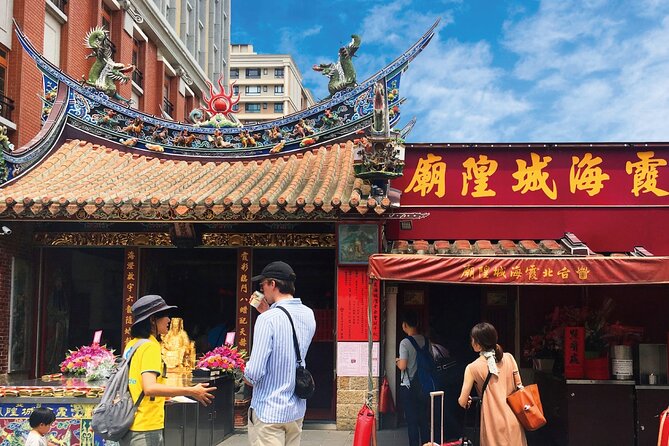
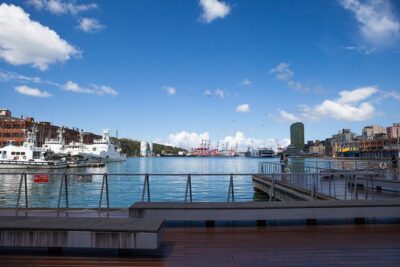
The final stop is Dadaocheng Wharf, along the Tamsui River. Ending here is not an accident. It ties the whole tour together by reminding you why Dadaocheng became such an important harbor for trade in the early years.
Once you reach the waterfront, the story clicks. You can connect the earlier themes to geography, where goods and people needed to move. This makes the tour feel more complete than a purely urban route that never leaves the streets.
The setting is also useful for travel comfort. After walking through streets and markets, the riverfront gives you natural space to slow down, take photos, and reset your legs.
If you like souvenir-free travel, you will probably enjoy this stop as a “last photo, last breath” moment. If you do like buying something, this end point is a good place to look around after your guided time ends, since you can decide what you actually want rather than doing last-minute decisions while you are still on the clock.
The guide makes it click: Isabella, Alex Feng, and May Ei
A private tour lives or dies by the guide. This one is led by a licensed English-speaking guide, and the feedback you can expect to hear from different guides in the program is consistent: clear structure, friendly energy, and an ability to link the dots.
Names that stand out in the guide records include Isabella, Alex Feng, and May Ei. Isabella is associated with a mix of topics like temple practice, herbal medicine, and fabrics, which is exactly the kind of thematic combo that turns a short walking tour into something memorable. Alex Feng is described as arriving early, being friendly and enthusiastic, and giving a history-based take on the market area and merchant culture. May Ei is noted for strong knowledge of the historic quarter.
What that means for you as a visitor: you should expect your guide to talk about how people lived and worked, not just what buildings look like. If you ask questions, a good guide will help you connect what you are seeing to a larger pattern, especially for a quarter like Dadaocheng where trade, cloth, faith, and everyday life overlap.
One practical tip: arrive a few minutes early at Beimen MRT. It gives the guide time to confirm your group, and it helps the tour start on schedule.
Price and value: is $35 per person fair?
At $35.00 per person for a two-hour private walking tour, the price lands in the “good value” zone for visitors who want more than a generic highlight walk. You are paying for a licensed English-speaking guide, insurance coverage, and a route designed around meaningful stops rather than a random walk.
The stops are also built around sights with free admission tickets. That means you are not paying extra at each site, which is a big deal when you are budgeting. In a short tour, removing the friction of admission fees makes the time feel smoother.
What is not included is equally important:
- Meals
- Transportation
So you should plan to grab food on your own before or after. Also, because the walking route is on foot end to end, transportation is really on you for getting to the meeting point and from the ending point.
One more planning detail: this tour is commonly booked about 53 days in advance on average. If you are traveling during a busy season or on weekends, booking ahead helps lock in a time that matches your schedule.
Best for: who will enjoy this the most
This is a strong fit if you:
- want a private walk with real conversation and question time
- like neighborhood history that connects to today’s daily life
- are curious about tea, herbs, textiles, and local religious culture
- prefer walking with frequent explanations, rather than a car-based sightseeing loop
It is also a good choice if you want a Taipei experience that feels less “only big landmarks.” Dadaocheng is smaller scale and more human. You finish at the wharf, so you end with a view, not just another street corner.
If you are a very slow walker or have mobility limits, be cautious. The tour is entirely on foot and time can shift with weather and traffic.
Should you book the 2-hour Private Dadaocheng Walking Tour?
Book it if you want an efficient, story-driven walk through Taipei’s trade quarter, with a guide who can connect Dihua Street, textiles, temple culture, and the Tamsui riverfront in one compact route. The free-admission stops and the private format help the value feel real, not vague.
Skip it if you hate walking, dislike market areas, or want a tour with lots of food tasting or museum-style stops. This one is built around street-level culture and explanations, so it works best when you enjoy observing daily life and asking why it looks the way it does.
FAQ
How long is the 2-Hour Private Dadaocheng Walking Tour?
The tour runs for about 2 hours (duration is approximate).
Where do we meet for the tour?
The meeting point is Beimen Station, Datong District, Taipei City (meeting instructions specify Beimen MRT Station Exit 2).
Where does the tour end?
The walking tour ends at Dadaocheng Dock near Dadaocheng Wharf.
What stops are included on the route?
You’ll visit Dihua Street, Yongle Textile Market, Taipei Xia Hai City God Temple, and Dadaocheng Wharf.
Are there admission fees for the stops?
No. The tour notes that admission tickets are free for the stops.
What is included in the tour price?
The price includes a licensed English-speaking guide and insurance.
Are meals or transportation included?
No. Meals and transportation are not included.
Is this tour private, and are service animals allowed?
Yes, it is private, and only your group will participate. Service animals are allowed.
What happens if the weather is bad, or if I cancel?
The experience requires good weather. If it is canceled due to poor weather, you will be offered a different date or a full refund. You can cancel for a full refund if you cancel up to 24 hours in advance; if you cancel less than 24 hours before the start time, you will not receive a refund.
More Taiwan Tours on the List



Everything We Have Reviewed in Taiwan

Old Taipei, Street by Street


Fresh off the notebook: more Taiwan tours we have reviewed
- Keelung Shore Excursion: Private 6H Natural Wonder & Seafood Tour★ 5.0 · 3 reviews
- 8-Day Around Taiwan Private Tour★ 5.0 · 3 reviews
- Taiwan Multi-Day Classic Tour★ 5.0 · 4 reviews
- Ruifang Houtong Mining Road★ 5.0 · 4 reviews
- 1 day North Coast Yehliu Jiufen and Shifen Private Tour★ 5.0 · 4 reviews
- Hualien Taroko Day Tour From Ximending★ 5.0 · 4 reviews
Dadaocheng & Taipei Old Town Walks, weighed up.
 ★ 5.0Taipei Old Town – Taiwan Introduction Walking Tour (Tip-Based)From $5175 reviews
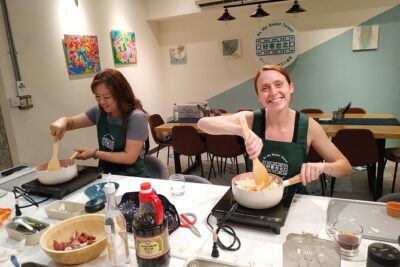 ★ 5.0Taipei Cooking Class & Market Adventure in Historic DadaochengFrom $9077 reviews
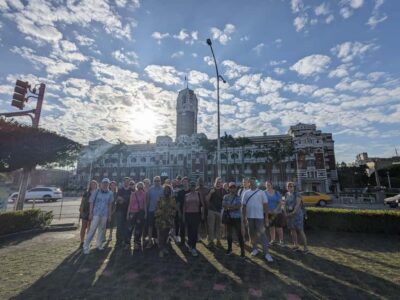 ★ 4.8Old Town Walking TourFrom $125 reviews
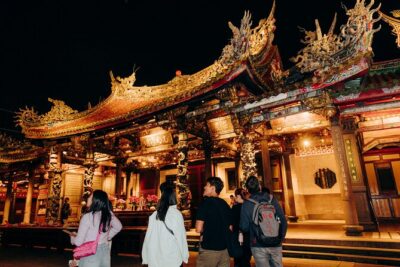 ★ 5.0Taipei’s Origin & Longshan Temple – Taiwan Cultural Walking TourFrom $525 reviews
 ★ 4.6Taipei’s Origin & Longshan Temple – Taiwan Cultural TourFrom $119 reviews
 ★ 4.9Cooking Class & Market Adventure Historic DadaochengFrom $9917 reviews
Where else this one shows up