
REVIEW · NATIONAL PALACE MUSEUM & TAIPEI MUSEUMS
Taipei: National Palace & Shung Ye Aborigines Museums Ticket
Two museums, one easy Taipei day. This ticket strings together National Palace Museum highlights and Taiwan’s indigenous story at Shung Ye Museum. I love how the collections are easy to pace on your own, and I really enjoy seeing iconic pieces like the Jadeite Cabbage up close. One heads-up: Shung Ye is smaller than you might expect, and the visit is not a good fit for wheelchair users because accessibility is limited.
This is a self-guided museum day with skip-the-line entry, and you can move at a comfortable tempo. Just remember the basic rules, no flash photography, and plan meals around the fact that food and drinks are not allowed inside exhibit areas.
In This Review
- Key Points You Should Know Before You Go
- National Palace Museum and Shung Ye, Two Sides of Taiwan’s Story
- Ticket Value, What You Get, and Why It Works as a One-Day Plan
- Entering the National Palace Museum Fast, Then Picking Your Priorities
- What to See at the National Palace Museum: Jadeite Cabbage and the Classics
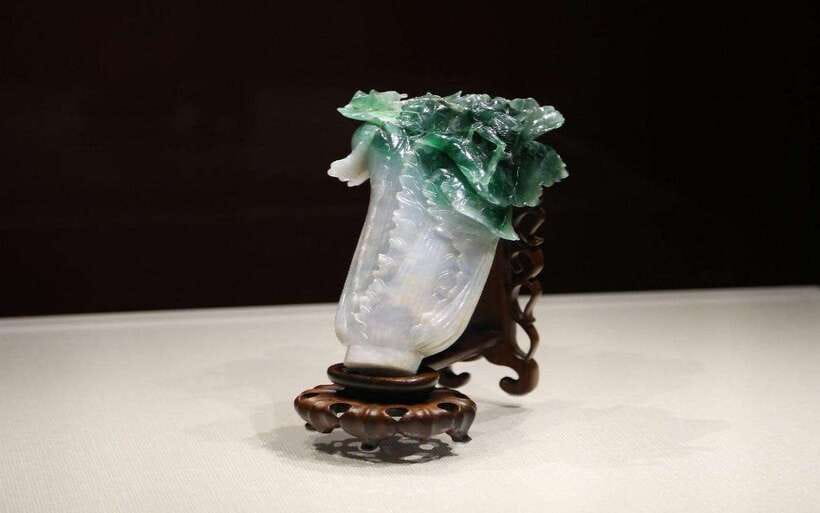
- Jadeite Cabbage, the Object That Stops People
- Meat-Shaped Stone, Another Crowd Magnet
- Bronze Ritual Vessels, Where Function Meets Power
- Calligraphy Scrolls, Read Them with Your Eyes
- How to Pace All This Without Feeling Overwhelmed
- After Chinese Imperial Art, Shift to Shung Ye Aborigines Museum
- Shung Ye Museum Highlights: Clothing, Hunting Tools, and Ceremonial Art
- Expect a Shorter Visit Than the National Palace Museum
- Timing Your Day: How to Make Both Museums Feel Enjoyable
- Rules That Affect Your Visit: Flash, Food, and Movement
- No Flash Photography
- Food and Drinks Are Not Allowed in Exhibit Areas
- Wheelchair Accessibility Is Limited
- What This Ticket Is Best For (and When You Might Want Something Else)
- Practical Value: Why $12 for Two Big Museums Can Be a Great Deal
- Should You Book This Taipei Museum Ticket?
- FAQ
- What’s included in the Taipei National Palace & Shung Ye Museums ticket?
- How long is the ticket valid?
- Is a guided tour included?
- Can I skip the ticket line?
- Is flash photography allowed inside the museums?
- Are food and drinks allowed inside exhibit areas?
- Is this ticket suitable for wheelchair users?
- Is free cancellation available?
Key Points You Should Know Before You Go
- Iconic artifacts at National Palace Museum: Focus on signature works such as Jadeite Cabbage, bronze ritual vessels, and famous calligraphy scrolls
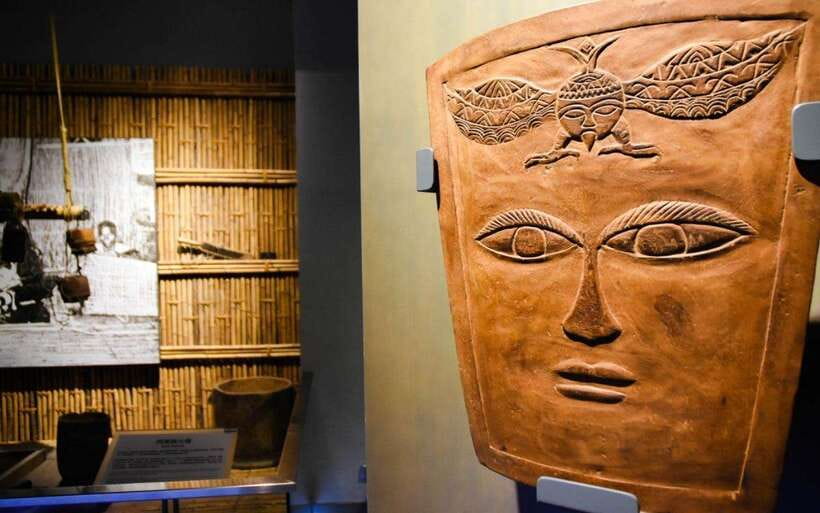
- 14 Formosan Aboriginal tribes in one place: Shung Ye highlights traditional clothing, tools, and ceremonial artifacts
- Self-paced, skip-the-line entry: You get admission to permanent and special exhibits, without a guided tour
- Audio support helps you manage the scale: An audio guide can help you pick key objects and understand what matters
- Smaller museum means quicker browsing: Shung Ye can feel short if you expect a long museum marathon
- Photo and food rules are real: Flash is not allowed, and food and drinks are not permitted in exhibit areas
National Palace Museum and Shung Ye, Two Sides of Taiwan’s Story
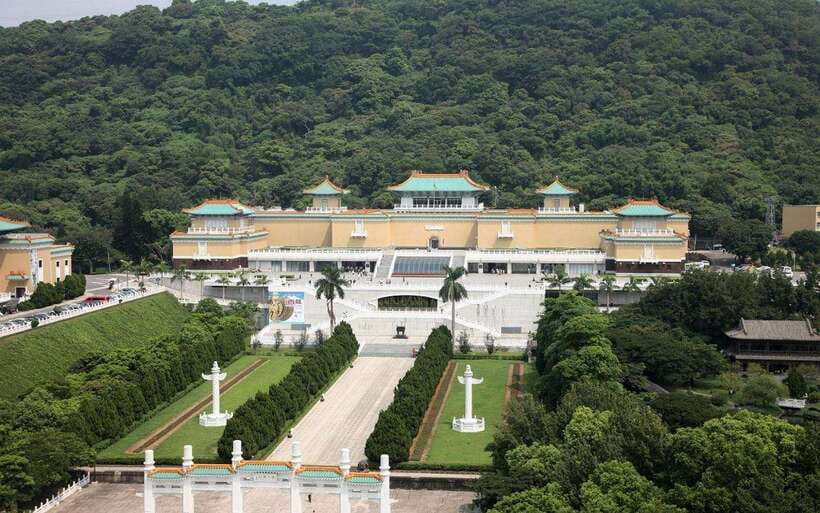
If you want one Taipei day that makes Taiwan feel layered and alive, this ticket is a smart combo. You start with the imperial side of the island’s story at the National Palace Museum, home to the world’s largest collection of ancient Chinese artifacts. Then you shift gears to Shung Ye Museum of Formosan Aborigines, where you learn how Taiwan’s 14 recognized tribes shaped culture through language, craft, and everyday life.
I like pairing these two because they change your brain in a good way. The National Palace Museum is about objects that carried meaning across centuries of Chinese history. Shung Ye is about living heritage, expressed through clothing, hunting tools, and ceremonial items, plus multimedia displays that help the context stick.
The value here comes from your ticket doing more than buying entry. You get admission to both museums plus access to permanent and special exhibits. For $12 per person, that is a lot of cultural time in one day, especially if you are the kind of traveler who prefers walking, reading, and choosing what to focus on.
Ticket Value, What You Get, and Why It Works as a One-Day Plan
This is one day, two museums, and no guided tour. That means you control your pace. You can linger at a room where you feel pulled in, then move on before your feet get cranky. For many people, the best museum plan is not a packed schedule, it is a flexible one.
The ticket includes:
- Admission to the National Palace Museum
- Admission to the Shung Ye Museum of Formosan Aborigines
- Access to permanent and special exhibits
What is not included is also important for planning. You will need to handle food on your own, and hotel pickup and drop-off are not part of it. You also should not count on a guide to translate everything for you, because this is self-guided.
One small but practical win: the ticket is set up to help you skip the ticket line. In museum-heavy cities, that matters. It turns your arrival from waiting into time actually looking at objects.
More museum mornings in Taipei
Entering the National Palace Museum Fast, Then Picking Your Priorities
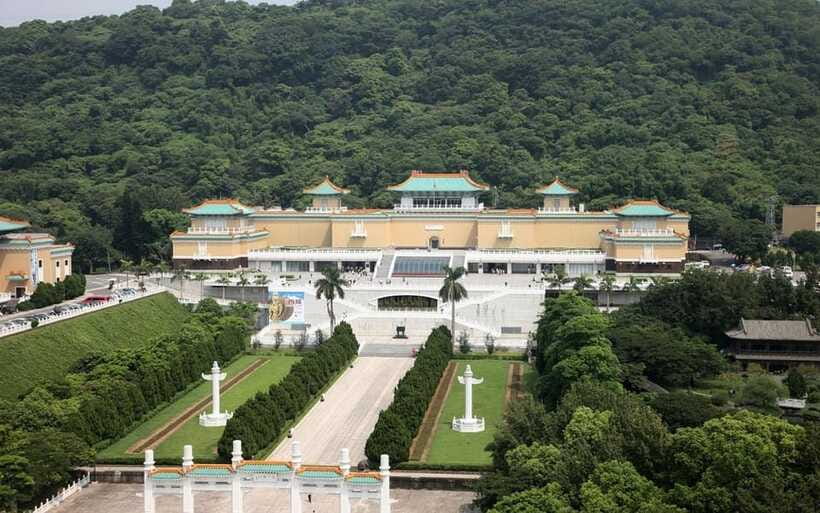
At the National Palace Museum, the first challenge is scale. You are walking into a collection that spans more than 5,000 years of Chinese history. That can feel like drinking from a firehose unless you make a plan.
Here is what I recommend on a first visit. Before you start wandering, pick a short list of must-sees, then let the rest happen around them. The museum has famous highlights you can anchor on, and that anchor makes everything else easier to understand.
Also, check how you will enter. The entry process is designed to be quick, and you should expect to use a digital code at the entrance rather than standing in a long queue. Keep your phone ready so you are not fumbling with screens when you arrive.
Finally, if you want extra help making sense of what you see, try using the audio guide option if it is available during your visit. It is designed to help you focus on key exhibits and understand why they are significant.
What to See at the National Palace Museum: Jadeite Cabbage and the Classics
The National Palace Museum has a reputation for a reason. Some objects hit you with craftsmanship first, then meaning second. These are the highlights that fit neatly into a one-day plan.
Other Taiwan tickets worth pre-booking

Jadeite Cabbage, the Object That Stops People
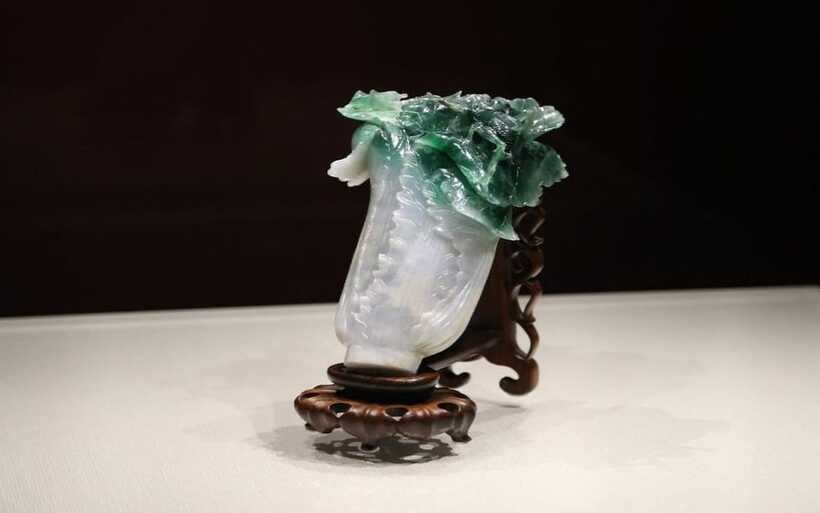
The Jadeite Cabbage is one of the museum’s star pieces, and it is easy to see why. It is known for its intricate detail and the way it looks both delicate and solid at the same time. In practical terms, this is a great start point because it is immediately understandable even if you are not a specialist.
Meat-Shaped Stone, Another Crowd Magnet
Another signature work you should look out for is the meat-shaped stone. Even if you do not know its background, the object is memorable. It rewards a slow viewing approach, because you notice how it is formed and finished.
Bronze Ritual Vessels, Where Function Meets Power
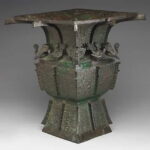
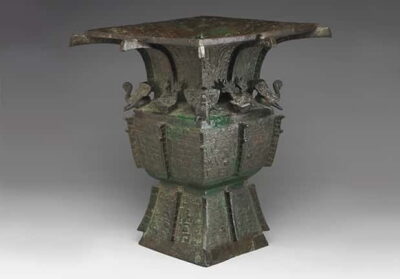
Bronze ritual vessels connect art to daily life and ceremony in older dynasties. If you like objects that show how technology and belief meet, this is your category. Look for how the form is shaped for ritual use and how decoration signals status and cultural values.
Calligraphy Scrolls, Read Them with Your Eyes
Calligraphy scrolls can be the surprise hit. If you have ever thought handwriting is just writing, these scrolls can change that view. You will be looking at the movement of the hand, the rhythm, and the intention behind the strokes.
How to Pace All This Without Feeling Overwhelmed
Because the collection is huge, pacing is your real superpower. You can do a lot in one day if you keep moving room to room. But you do not have to rush. The museum’s layout is manageable enough that you can find a flow without constantly backtracking.
If you feel your attention wandering, pause. Choose one artifact, read what you can, and keep your eyes steady. That small reset often brings the rest of the rooms back into focus.
After Chinese Imperial Art, Shift to Shung Ye Aborigines Museum
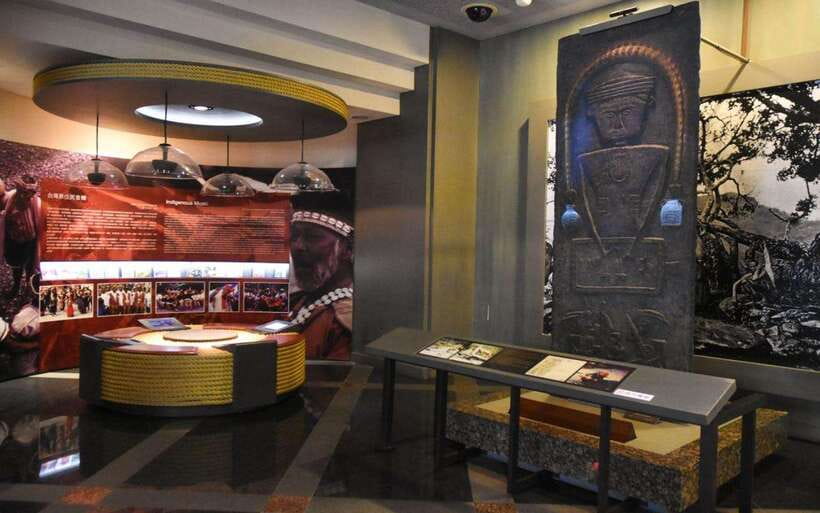
When you switch from the National Palace Museum to Shung Ye, you feel the change right away. The tone becomes more human scale. Instead of centuries of imperial collecting, you are looking at how Taiwan’s indigenous tribes created identity through material culture.
Shung Ye Museum of Formosan Aborigines focuses on the history and culture of Taiwan’s 14 recognized tribes. That means you are not just looking at one culture in a single room, you are getting a guided way to compare traditions and see how diversity shows up in clothing, tools, and ceremonial objects.
This museum also uses multimedia displays, so you are not limited to reading labels. If you learn best through sound and visuals, this part of the experience can work well.
Shung Ye Museum Highlights: Clothing, Hunting Tools, and Ceremonial Art
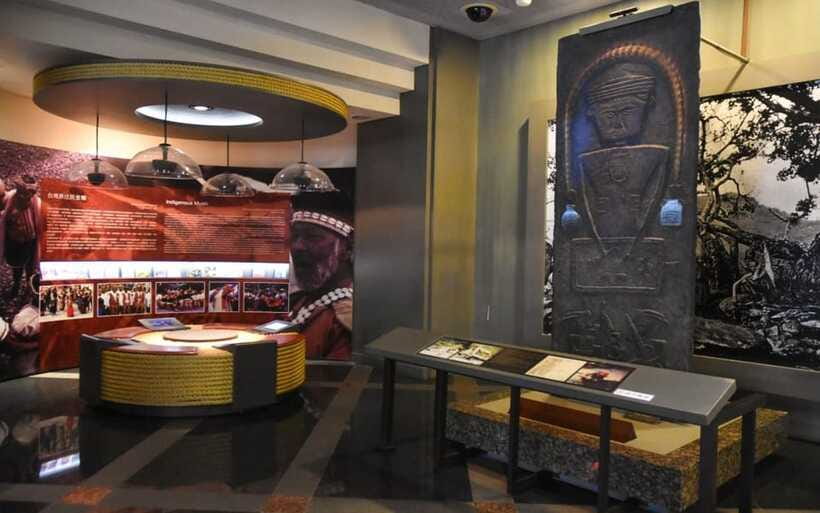
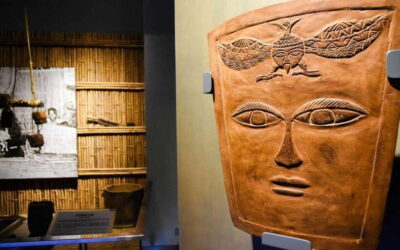
The standout thing at Shung Ye is the range of everyday and ceremonial items. When you look at traditional clothing, you are seeing design choices shaped by environment and community needs. When you see hunting tools, you are seeing practical knowledge expressed through craftsmanship.
Don’t miss the ceremonial artifacts. These items often communicate belief systems more clearly than you expect, because they show how rituals shape community life.
Expect a Shorter Visit Than the National Palace Museum
One practical consideration: Shung Ye can feel fast-paced compared to the big-name museum. It is smaller and narrower in focus, so if you walk in expecting a full day, you might finish sooner than you planned.
That is not a bad thing. It can actually make your day feel smoother. You get the big cultural hit at the National Palace Museum, then you end with a meaningful, focused museum that you do not have to force.
Timing Your Day: How to Make Both Museums Feel Enjoyable
This is a 1-day ticket, so your timing matters. The National Palace Museum is the heavier lift. Plan your morning for the National Palace Museum and save the afternoon for Shung Ye.
Why this order works:
- Your energy is highest earlier, and the National Palace Museum’s scale rewards stamina.
- Shung Ye is easier to handle later because it is smaller and more focused.
- If you start at the Palace Museum, you can use the highlights to set context for what you see afterward.
Also consider walking breaks. The National Palace Museum sits on a hillside. You may not think about it until your legs notice the change in elevation. Build in short breaks so you are not rushing your viewing.
If you want one practical tip that helps the whole day, it is this: pick a short list of must-see artifacts at the National Palace Museum, then decide you will not try to see everything. That mindset turns a stressful museum day into a satisfying one.
Rules That Affect Your Visit: Flash, Food, and Movement
Museums have rules, and these ones matter for comfort.
No Flash Photography
Flash photography is not allowed inside the museums. This is standard for artwork preservation, but you should still plan for it. Keep your phone on normal mode and be ready to rely on ambient light.
Food and Drinks Are Not Allowed in Exhibit Areas
Food and drinks are not allowed inside the exhibit areas. That means you should eat before you enter, or plan to have food outside the galleries. If you bring a bottle of water, you might find the museum layout makes it easiest to handle hydration outside the exhibit zones.
Wheelchair Accessibility Is Limited
Wheelchair accessibility is limited, and the ticket is not suitable for wheelchair users. If you need step-free access, you will want to plan carefully before you go, because you cannot count on full accessibility inside these spaces.
What This Ticket Is Best For (and When You Might Want Something Else)
This ticket is best for travelers who want serious culture without the structure of a guided tour. If you like reading at your own speed and you enjoy moving through rooms with a few clear targets, you will probably feel satisfied.
It is also a strong choice if you want both of these:
- The major highlights of ancient Chinese artifacts at the National Palace Museum
- A focused introduction to Taiwan’s indigenous cultures at Shung Ye
Who might not love it:
- If you expect Shung Ye to be a long, multi-hour museum, you may find it finishes sooner than you planned.
- If wheelchair access is critical for you, the limited accessibility makes this a tough fit.
Practical Value: Why $12 for Two Big Museums Can Be a Great Deal
At $12 per person for admission to both the National Palace Museum and the Shung Ye Museum of Formosan Aborigines, the value is straightforward. You are paying once for two major cultural stops, and you are getting access to permanent and special exhibits at both.
Most people end up spending more than that just to get into one museum in many cities. Here, the ticket bundles two very different learning experiences into one day. That is why I see it as good value, not just because the price looks low on paper.
The other value is time. Skip-the-line entry saves your energy. And because there is no guided tour included, you are not paying extra for a schedule that might not match your pace.
Should You Book This Taipei Museum Ticket?
Yes, book it if you want a self-guided Taipei day that blends Taiwan’s imperial art inheritance with indigenous cultural history. Start at the National Palace Museum, choose a few anchors like Jadeite Cabbage, bronze ritual vessels, and calligraphy scrolls, then shift to Shung Ye for the tools, clothing, and ceremonial artifacts tied to Taiwan’s 14 recognized tribes.
Skip it or consider alternatives if you need wheelchair-friendly routes, or if you want a long multi-hour experience at Shung Ye. The Shung Ye Museum is meaningful, but it is not the kind of place you need to block a whole day for.
If your goal is a high-impact cultural day with minimal hassle, this ticket is a strong fit.
FAQ
What’s included in the Taipei National Palace & Shung Ye Museums ticket?
It includes admission to the National Palace Museum and the Shung Ye Museum of Formosan Aborigines, plus access to permanent and special exhibits.
How long is the ticket valid?
The ticket is valid for 1 day.
Is a guided tour included?
No, guided tours are not included.
Can I skip the ticket line?
Yes, the ticket is set up to help you skip the ticket line.
Is flash photography allowed inside the museums?
No, flash photography is not allowed inside the museums.
Are food and drinks allowed inside exhibit areas?
No, food and drinks are not allowed inside the exhibit areas.
Is this ticket suitable for wheelchair users?
No, it is not suitable for wheelchair users, and wheelchair accessibility is limited.
Is free cancellation available?
Yes. You can cancel up to 24 hours in advance for a full refund.
Taiwan Tickets Worth Booking


Everything We Have Reviewed in Taiwan

The Museums, Room by Room
Fresh off the notebook: more Taiwan tours we have reviewed
- From Taipei: Best of Taiwan 9-Day Trip with Accommodation★ 4.7 · 3 reviews
- ️ ️ Keelung Shore Excursion 6-Hour Taipei City Tour★ 5.0 · 3 reviews
- Keelung: Shore Excursion Private 8H Taipei Urban Adventure★ 4.7 · 4 reviews
- From Taipei City: 3-Day Sun Moon Lake & Alishan Private Tour★ 4.8 · 4 reviews
- From Keelung: Private Taipei City Landmarks Shore Excursion★ 5.0 · 4 reviews
- From Taipei: Thousand-Island Lake & Tea Museum Private Tour★ 4.7 · 5 reviews
National Palace Museum & Taipei Museums, weighed up.
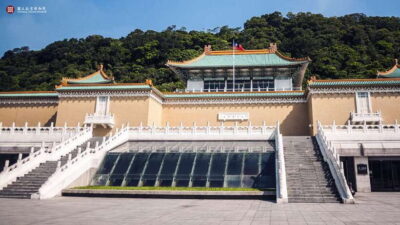 ★ 4.4National Palace Museum E-TicketFrom $11273 reviews
 ★ 4.0Taipei City Morning Tour with National Palace Museum entryFrom $52232 reviews
 ★ 4.6Morning City Tour with National Palace Museum EntryFrom $40173 reviews
 ★ 4.7National Palace Museum and Taiwan Aborigines MuseumFrom $1511 reviews
 ★ 4.5Taipei National Palace Museum Guided TourFrom $339 reviews
Where else this one shows up