
REVIEW · NATIONAL PALACE MUSEUM & TAIPEI MUSEUMS
Taipei: National Palace Museum E-Ticket
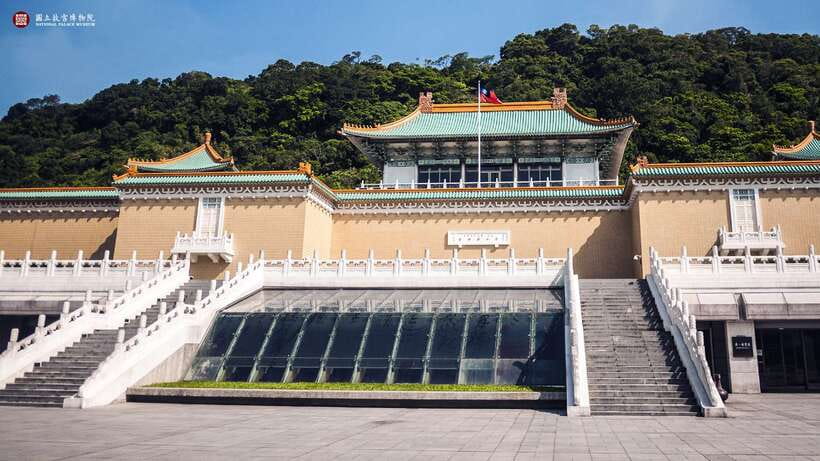
Your day in Taipei starts with fewer lines. This e-ticket lets you enter the National Palace Museum fast and then roam at your own speed through a collection that spans thousands of years. I like the straightforward independence here, and I especially enjoy the chance to focus on a few headline pieces like the Jadeite Cabbage without getting swept along by a group.
The museum is big (690,000 objects), so the only real drawback is that you have to choose what matters most to you. If you try to see everything, you will end up rushing.
In This Review
- Key points worth planning for
- Skip-the-line at National Palace Museum: what gets better fast
- Inside the museum: pacing through the three main halls
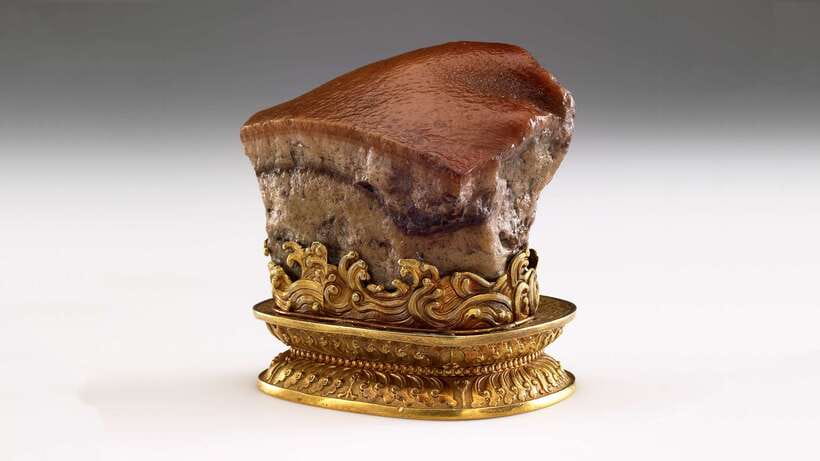
- Jadeite Cabbage: why this carved jade hits so hard
- Mao Gong Ding and ancient inscriptions: reading time in metal
- Books and scrolls from the 10th century: history you can’t rush
- Zhishan Garden after the museum: a calmer kind of Chinese art
- Price and value for about $11 per person
- What to bring, what to wear, and what to avoid
- North Branch in Taipei vs Southern Branch in Chiayi
- Who this museum e-ticket suits best
- Should you book the National Palace Museum e-ticket?
- FAQ
- How long is the National Palace Museum e-ticket experience?
- Do I need a tour guide for this experience?
- What do I get with the North Branch option?
- Can I use this ticket at the Southern Branch in Chiayi?
- Which languages are available for the optional audio guide?
- What should I bring to enter?
- Are lockers included, and are large bags allowed?
- Is there free entry for children?
- Is this ticket for everyone?
Key points worth planning for
- Priority entrance queue means less time waiting to start
- Jadeite Cabbage is a must-see centerpiece in the main halls
- Mao Gong Ding and its 2,800-year-old inscriptions give you deep time
- 10th-century books and scrolls help you see Chinese history beyond objects
- Zhishan Garden is included with the North Branch option, for a calmer follow-up
Skip-the-line at National Palace Museum: what gets better fast
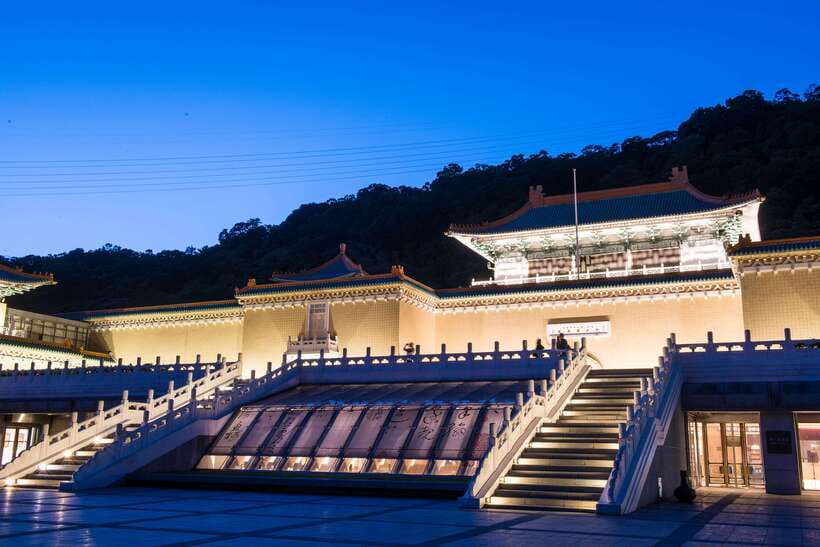
The main advantage of this National Palace Museum e-ticket is simple: you waste less time stuck in lines. With reserved-priority entry (North Branch option), you can get inside sooner and start building your own route based on what you actually want to see.
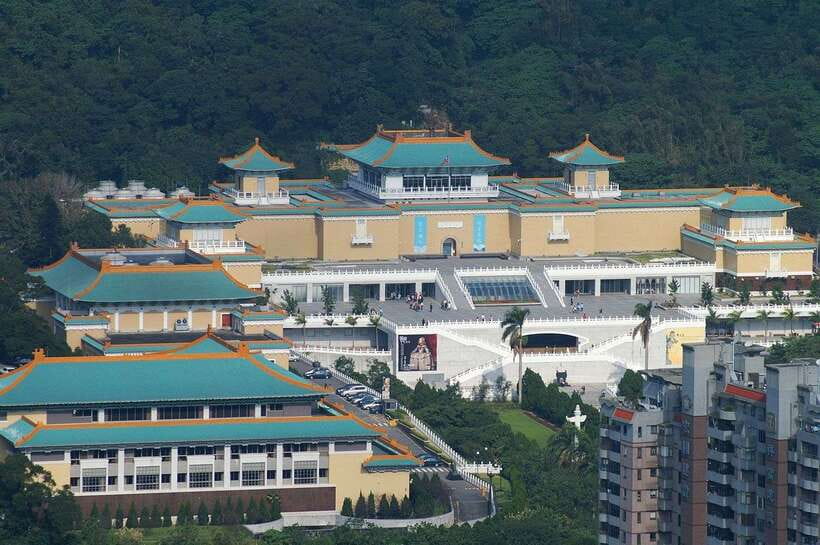
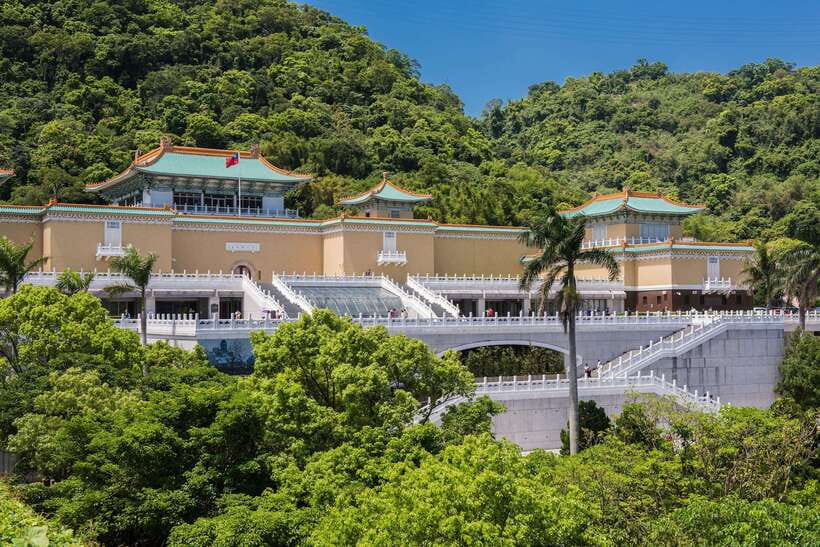
That matters at the National Palace Museum, because it is not a quick stop. The museum holds about 690,000 objects, and the buildings are designed for walking, lingering, and comparing. Even if you only have a day, the ticket style fits how the museum rewards patience. You are not forced to follow a tight timeline, and you can move between highlights, galleries, and special displays when it feels right.
I also like that the experience includes a nearby contrast depending on the option you pick. With the North Branch ticket option, you get admission to Zhishan Garden as part of your day. That is a smart pairing: after staring at detailed carvings and ancient writing, you get a traditional garden setting that can feel like a breather.
One more practical note: you are on your feet. Comfortable shoes are not a suggestion. You will cover a lot of ground, and the museum’s layout encourages walking.
Inside the museum: pacing through the three main halls
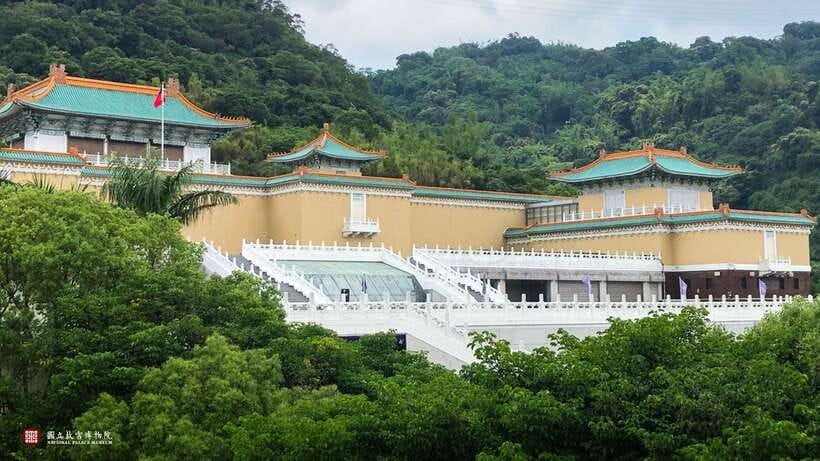
This visit is built around self-guided wandering, which is exactly what you want for an institution like the National Palace Museum. Instead of a scripted route, you can create your own “must-see first” order. I recommend thinking in terms of sections, not minutes.
The highlights described for this experience focus on what you can realistically hit during a one-day plan, including major galleries and three major halls where famous pieces are housed. Here is the key way to make it work:
- Start with the headline artifact stops that match your interests (jade, bronzes, or ancient writing).
- Then fill in around those with whatever else you notice in the moment.
- Save time at the end for scrolls, books, and smaller details that might not be first on your list.
You will see iconic works that represent multiple Chinese dynasties over roughly 8,000 years of cultural development. That sounds abstract, but it becomes concrete when you compare objects: materials change, styles change, and the way people wrote, carved, and collected art changes with time.
If you tend to get overwhelmed by big museums, this setup helps. You can pick a few anchor pieces like the Jadeite Cabbage and the Mao Gong Ding, and then use the surrounding galleries to support what you already chose. The museum becomes a story you steer, rather than a checklist you chase.
Jadeite Cabbage: why this carved jade hits so hard
Let’s talk about the centerpiece: Jadeite Cabbage. You are going to see it described as a masterful carving, and the reason it lands is not just size or fame. The piece uses the natural colors of jade to recreate the look of a real head of cabbage. That means you are not only looking at shape, you are reading color like texture.
When you look at it in person, the trick is to slow down for a minute or two and examine how the tones shift across the leaves. That is where the craftsmanship shows itself. If you rush past, you miss what makes it special.
This is also a great artifact to use as your “tempo setter” for the whole day. After spending time with something made from layered natural color, you will likely see other objects differently. You start noticing materials, not just subjects.
If you want a practical strategy, do this: plan a first pass that finds the Jadeite Cabbage and other major showpieces you care about. Then, later in your day, if you still have energy, return to look again. Museums reward second glances, especially when you have already anchored your attention.
Mao Gong Ding and ancient inscriptions: reading time in metal
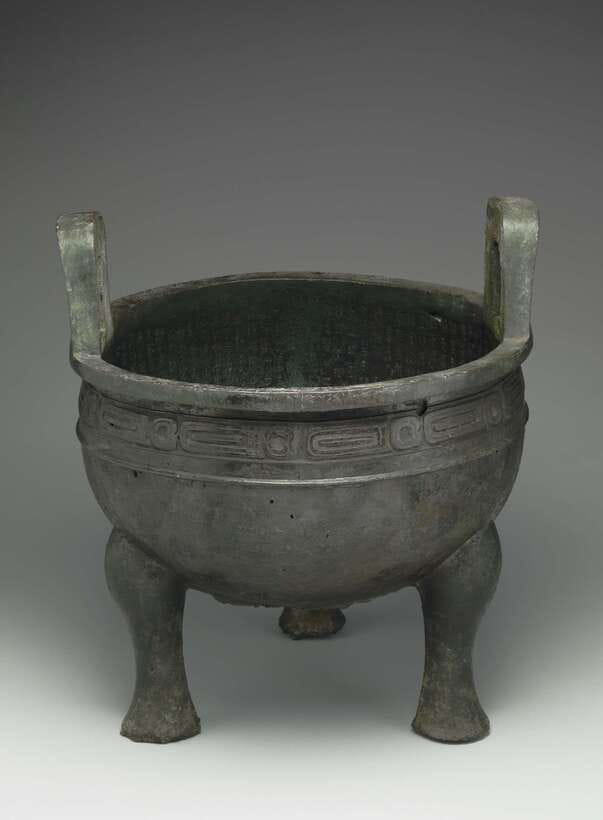
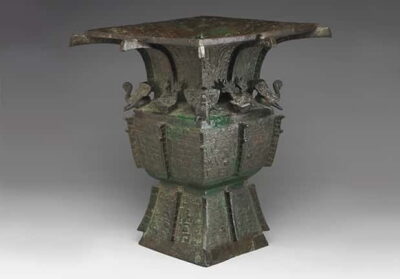
Another headline stop is the Mao Gong Ding, described as one of the most valuable surviving Chinese artifacts with inscriptions dating back about 2,800 years. A bronze vessel with writing is a big deal because it connects art to history in a direct way. You are not only seeing craftsmanship, you are seeing language preserved through centuries.
Here’s what you can do with it as a visitor: treat the inscriptions like the museum’s “time machine.” Spend a little time focusing on what the vessel is and what is written on it. Even if your reading skills vary, the presence of early inscriptions helps you understand why people valued these objects beyond decoration.
The bronze also fits the larger theme of the museum: Chinese cultural history across dynasties. When you connect it to the Jadeite Cabbage, you get a range of meaning. One object highlights material artistry and visual realism through jade color. The other highlights continuity of writing and record-keeping through ancient metalwork.
If you are short on energy, prioritize this stop. It is one of those objects that justifies the trip in a very direct way.
Books and scrolls from the 10th century: history you can’t rush
The museum experience described here also includes books and scrolls dating back to the 10th century. Seeing writing-based artifacts shifts your day. You stop thinking only in terms of sculpture and decorative craft and start thinking about knowledge, copying, and preservation.
Because this kind of material is easy to skim, you have to choose your pace. If you move too fast, the display becomes background. If you slow down, you start to understand why surviving manuscripts matter. They preserve ideas, not just images.
On a one-day visit, I suggest treating the scroll and book sections like a “choose your moment” area. Do not feel pressured to read everything. Instead, pick a couple of display cases where you can spend real attention, then move on to keep momentum.
This also helps you balance your day emotionally. After jade and bronze, ancient writing gives the experience a different kind of weight. It is one more way the museum covers a long stretch of history, and it often makes people leave feeling like they learned something lasting.
Zhishan Garden after the museum: a calmer kind of Chinese art
With the North Branch option, your ticket includes entrance to Zhishan Garden nearby. This is a smart add-on because a garden does not ask you to concentrate on details the way carvings do. It asks you to notice space, light, and how the setting guides your walking.
The description of Zhishan Garden frames it as a traditional Chinese garden built with a literary atmosphere. Some people describe the garden like an extended poem, or like a long unfolding scene you walk through. You do not have to think about it as poetry for it to work. It just helps you slow down and treat the garden as part of the story rather than an optional detour.
Practically, this is how I’d plan the flow: museum first for the big artifacts, then garden for decompression. If you do it the other way around, the garden can feel like a “waiting room” before the main highlights.
Also, the inclusion is value. You are not paying separately for a second cultural stop, and you get a satisfying end to a day that starts with ancient objects and ends with a more peaceful environment.
Price and value for about $11 per person
At around $11 per person, the pricing feels designed for people who want control and speed. The cost is easier to justify when you look at what you actually gain:
- Skip-the-line entry to the National Palace Museum
- Reserved-priority entrance queue for the North Branch option
- Zhishan Garden admission if you pick the North Branch option
- Access aligned with current exhibitions based on the option you choose
That combination matters more than the headline price. If you were paying a higher rate for a guided tour, you would typically trade away independence and flexibility. Here, you get the museum experience on your terms, plus a nearby garden finish if you choose the right option.
Budget warning, though: locker rental can add cost. The information provided notes a locker rental fee around 20 NTD. Also, large bags and luggage are not allowed, so you will likely need a locker if you travel with any sizable items.
If you are traveling light, this becomes a very good deal. If you are carrying a lot, the locker fee is a small, predictable trade-off, and it still might be worth it compared with time lost.
What to bring, what to wear, and what to avoid
This is where you can make or break the day. The requirements are straightforward:
Bring:
- Your passport or ID card
- Comfortable shoes
Not allowed:
- Smoking
- Luggage or large bags
So pack like a museum visitor, not like a hotel guest. If you can travel with a small day bag, you will move through the day easier. If you cannot, plan for a locker. The locker fee around 20 NTD means you should not stash your essentials in a “big bag” and assume everything will stay with you.
One more practical tip: meeting point can vary depending on the option booked. When you arrive, make sure you have your ticket details ready. Keep your ID accessible so you do not waste time at the start.
If you want extra help while wandering, there is an optional audio guide available in multiple languages, including English, Chinese, Japanese, Korean, German, Indonesian, Thai, Spanish, and Vietnamese. Audio can be a real advantage in a place filled with objects and inscriptions, especially when you are self-guided.
North Branch in Taipei vs Southern Branch in Chiayi
The ticket described here is flexible in a useful way. While it is tied to a National Palace Museum visit, you can also use it for the Southern Branch in Chiayi.
Key points:
- The Southern Branch option is open 9 AM to 5 PM and is closed on Mondays
- The ticket validity is 90 days from the day you visited the National Palace Museum
- It also references current exhibitions, based on the branch and option
If you are building a Taipei plus one-day side trip route, this helps. You do not have to force everything into one schedule day in Taipei. You can see the museum in Taipei, then later visit Chiayi’s branch within the validity window if your itinerary shifts.
If your plan already includes Chiayi, this is extra value. You can align it with your travel rhythm instead of locking yourself into a single museum day.
Who this museum e-ticket suits best
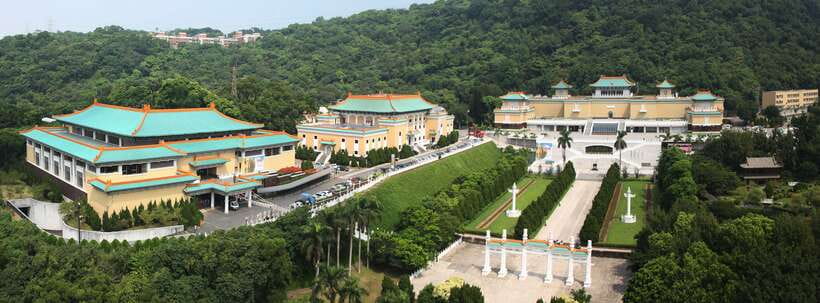
This experience is ideal for people who want a top museum without a tight leash. I think it fits best if you:
- Prefer self-paced exploring over group timing
- Love seeing famous artifacts like Jadeite Cabbage and the Mao Gong Ding at your own speed
- Want the added garden option with the North Branch ticket
- Plan to travel as an adult or in a group where you can all coordinate entry easily
It also has a specific eligibility note: for non-Taiwanese travelers only. And visitors aged 0 to 17 have free entry with no ticket needed. So if you have kids and they qualify, you may want to plan with that in mind.
One more budgeting note for planning your day: certain free entry days exist (January 1, May 18, September 27, October 10, October 17). If you are visiting around those dates, you might adjust your plan. But if you are not sure, the e-ticket approach helps you avoid guesswork and keeps the start of your day smooth.
Should you book the National Palace Museum e-ticket?
If you want a World-class museum experience without the misery of long lines, yes, book it. The reserved-priority entry and the self-guided freedom are the key reasons this works so well. Add Zhishan Garden if you are choosing the North Branch option, and you get a complete cultural arc for one day.
Skip booking only if you already know you will be able to arrive extremely early and you do not care about planning. Even then, the main museum highlight stops are easiest when you can start on your schedule, not on a queue.
If you like artifacts, writing, and craftsmanship, this ticket gives you a strong day plan without turning it into a sprint. Pack light, wear shoes you can walk in, and build your route around a few headline pieces. That is the fastest way to make the museum feel personal instead of overwhelming.
FAQ
How long is the National Palace Museum e-ticket experience?
The duration is listed as 1 day, so you should plan to spend enough time to move through major galleries and still leave time to enjoy the highlights at your own pace.
Do I need a tour guide for this experience?
No. The experience is self-guided, and a tour guide is not included.
What do I get with the North Branch option?
With the North Branch option, you get entrance to Zhishan Garden, use of a reserved-priority entrance queue for the National Palace Museum, and access to current exhibitions.
Can I use this ticket at the Southern Branch in Chiayi?
Yes. The ticket is also available for visiting the National Palace Museum Southern Branch in Chiayi. It is open 9 AM to 5 PM and closed on Mondays, and the ticket validity is 90 days from the day you visited the National Palace Museum.
Which languages are available for the optional audio guide?
The audio guide languages listed are Spanish, Thai, Vietnamese, Chinese, English, German, Indonesian, Japanese, and Korean.
What should I bring to enter?
Bring your passport or ID card, and wear comfortable shoes.
Are lockers included, and are large bags allowed?
Lockers are not included, and luggage or large bags are not allowed. A locker rental fee of around 20 NTD is noted.
Is there free entry for children?
Yes. Visitors aged 0 to 17 have free entry and do not need tickets.
Is this ticket for everyone?
It is listed as being for non-Taiwanese travelers only.
National Palace Museum & Taipei Museums, weighed up.
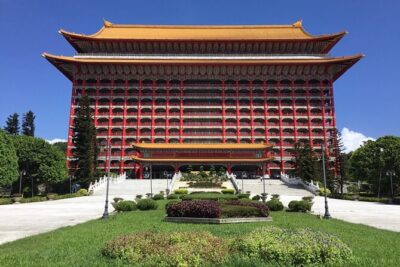 ★ 4.0Taipei City Morning Tour with National Palace Museum entryFrom $52232 reviews
 ★ 4.6Morning City Tour with National Palace Museum EntryFrom $40173 reviews
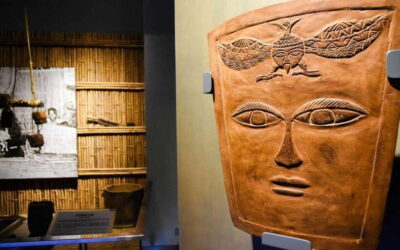 ★ 4.6National Palace & Shung Ye Aborigines Museums TicketFrom $1216 reviews
 ★ 4.7National Palace Museum and Taiwan Aborigines MuseumFrom $1511 reviews
 ★ 4.5Taipei National Palace Museum Guided TourFrom $339 reviews
Where else this one shows up