
REVIEW · NATIONAL PALACE MUSEUM & TAIPEI MUSEUMS
Taipei: National Palace Museum and Taiwan Aborigines Museum
Two Taipei museums, one smart cultural course. Start at Shung Ye, then walk to the National Palace Museum for a rare compare-and-contrast of Taiwan’s indigenous cultures and classic Chinese art traditions.
I especially like the audio guide option at Shung Ye Museum of Formosan Aborigines, with lively commentary that helps you connect the dots. I also love the payoff at the National Palace Museum, including the famous jadeite cabbage carving and an enormous collection you can actually pace.
One thing to keep in mind: cameras are not allowed, and both museums are self-guided, so if you rush, you may miss the context you came for.
In This Review
- Key things I’d put on your radar
- A one-day combo in Taipei: Shung Ye then the National Palace Museum
- Getting there and starting at Shung Ye (ticket redemption first)
- Shung Ye Museum of Formosan Aborigines: small, meaningful, and built for learning
- Watching the films and reading the cultural details without rushing
- The walk to the National Palace Museum: a clean switch of perspective
- National Palace Museum essentials: calligraphy, ceramics, paintings, and the jadeite cabbage
- Audio guide setup, museum rules, and practical tips that save your day
- Price and value: is $15 for two Taipei museums a smart use of time?
- Who this fits best, and who should adjust expectations
- Should you book this Taipei museum pairing?
- FAQ
- What museums are included in this one-day experience?
- How much does it cost?
- Where do I meet, and where is the start point?
- How do I get there using public transportation?
- Do I need to redeem my tickets at both museums?
- Are audio guides included?
- What are the opening hours for each museum?
- Are cameras allowed?
- Do I need to bring anything with me?
- Is there free entry for children?
Key things I’d put on your radar
- Redeem both tickets at Shung Ye first so you don’t get stuck later when you’re ready to enter the National Palace Museum.
- A short walk links the two museums, which makes a one-day history plan feel natural instead of stressful.
- Shung Ye mixes cultures with real stories, including films in the auditorium that talk about today’s conditions for aborigines.
- National Palace Museum is massive, with over 700,000 pieces of Chinese art, so you’ll want a plan for what to prioritize.
- No cameras and no flash means you’ll rely on your eyes, notes, and good pacing, not quick phone snapshots.
- Audio coverage is only guaranteed for Shung Ye in this package, so plan accordingly for the National Palace Museum.
A one-day combo in Taipei: Shung Ye then the National Palace Museum
This is one of those rare museum days that feels like more than two stops. You start with Taiwan’s indigenous peoples at Shung Ye Museum of Formosan Aborigines, then you step next door into the National Palace Museum, where Chinese art and culture span thousands of years. The result is a day where you can see how Taiwan’s story has layers, not just a single timeline.
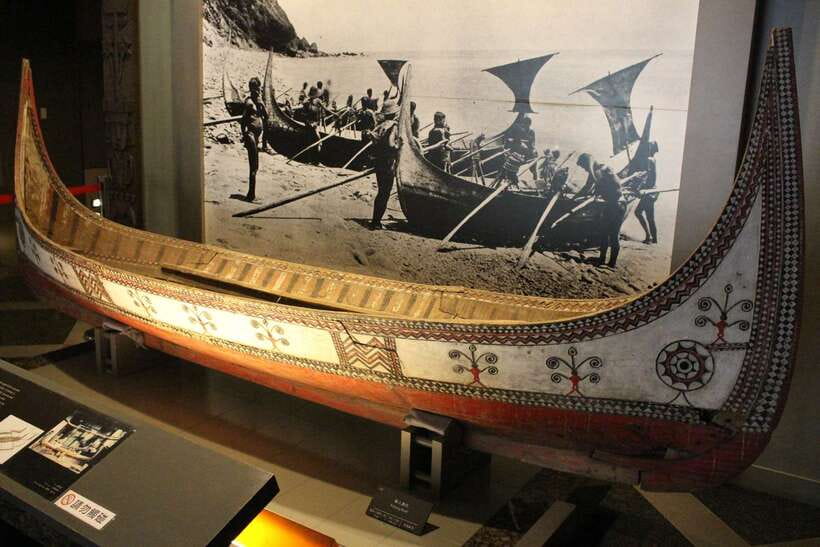
At Shung Ye, the focus stays on Formosan aborigines, their cultures, clothing, festivals, and religions. At the National Palace Museum, the focus shifts to the influence of ancient Chinese history and art, including calligraphy, ceramics, and paintings. You’ll feel the change in tone from one museum to the other, but it works. It makes you compare, not just consume.
It’s also good value. The price is listed at about $15 per person for admission to both museums, and you’re not buying just one big highlight. You’re buying time in two major collections. That matters because museum quality is often about how long you can slow down.
Getting there and starting at Shung Ye (ticket redemption first)
Your day starts at Shung Ye Museum of Formosan Aborigines, No. 282, Sec 2, Zhi Shan Rd, Shilin District, Taipei City. The key detail is the ticket rule: redeem both tickets at Shung Ye first. The museum pairing is designed to work smoothly, but this one step is non-negotiable.
Getting there is straightforward from MRT Shilin station (red line). Take bus 255, S18, or S19 from Exit 1 and get off at Wesley Girls High School (衛理女中). Once you’re in the Shilin area, the two museums are close enough that you can move between them on foot.
Practical tip: start your day early enough that you’re not sprinting between exhibits. Shung Ye’s hours are 9:00am to 5:00pm (Tue to Sun). The National Palace Museum runs longer, 8:30am to 6:30pm (Tue to Sun), and extends to 9:00pm on Fri and Sat. If you want the extra time, aim for Friday or Saturday for the National Palace Museum.
More museum mornings in Taipei
Shung Ye Museum of Formosan Aborigines: small, meaningful, and built for learning
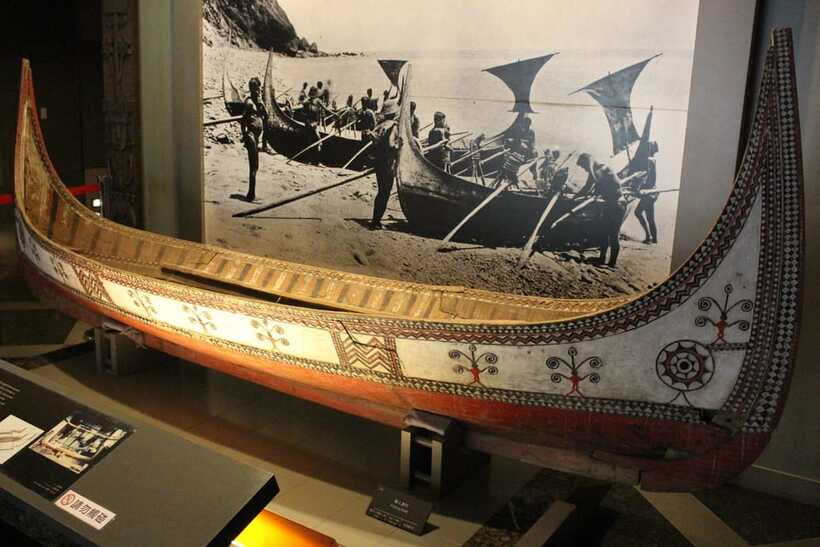
Shung Ye isn’t trying to be a giant theme park museum. It feels more focused, which I like when your goal is understanding. The exhibits cover Taiwan’s indigenous tribes and explain cultural details like day-to-day life, colorful clothing, festivals, and religions. If you’ve only heard brief references to indigenous history, this museum gives you texture.
One of the strongest features is that you’re not only reading wall text. There are films shown in the auditorium, and the content is meant to give a deeper understanding of present conditions for aborigines in Taiwan. That added layer matters because it prevents the whole experience from feeling frozen in the past.
If your option includes the audio guide (it’s available for Shung Ye), you’ll likely get a better flow through the galleries. The commentary is described as lively, and that helps when you’re juggling multiple tribes and cultural themes in a single visit.
A drawback to plan for: if you’re looking for hands-on interactivity or lots of “wow” moments, you might find Shung Ye calmer and more educational than flashy. One review called it not big, but educational, and that matches what the museum positioning suggests. Think of it like a strong foundation you build on before moving to the National Palace Museum.
Watching the films and reading the cultural details without rushing
When you’re at Shung Ye, don’t treat the auditorium as optional. The museum specifically calls out that films are shown there to help you understand current conditions for aborigines. Even if you only have time for one screening, it can change how you interpret the exhibits you saw earlier.
Also, give yourself time with the clothing and festival sections. These are the areas where a museum like this does its best work, because visual culture and ritual practice are hard to learn from books alone. You’ll see how patterns, materials, and design relate to identity and community life.
Then there’s the religion and daily life angle. You’re not just learning names. You’re learning how communities live and what symbols mean. That context becomes useful when you walk into the National Palace Museum and start seeing how Chinese cultural influence shows up in Taiwan’s broader historical narrative.
Other Taiwan collections worth the entry
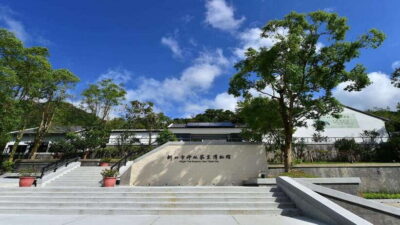
The walk to the National Palace Museum: a clean switch of perspective
After Shung Ye, the National Palace Museum is adjacent, so you’ll take a short walk rather than a complicated transfer. That matters more than it sounds. When museums are close, you can keep your attention consistent and reduce “travel fatigue” between themes.
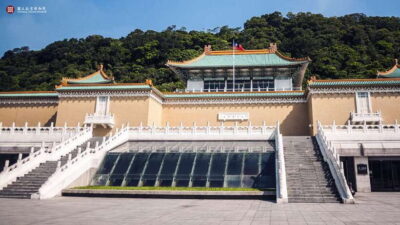
This is also where the day changes shape. The National Palace Museum holds over 700,000 pieces of Chinese art. That scale can feel intimidating, but self-paced entry gives you control. You don’t have to see everything. You just need a route that matches what you care about most.
The museum’s overview frames a journey through about 5,000 years of Chinese history, culture, and life, and you’ll feel that as you move through galleries of calligraphy, ceramics, and paintings. Even if you’re not a specialist, the big advantage is that you can learn at museum speed, then slow down for the pieces that grab you.
National Palace Museum essentials: calligraphy, ceramics, paintings, and the jadeite cabbage
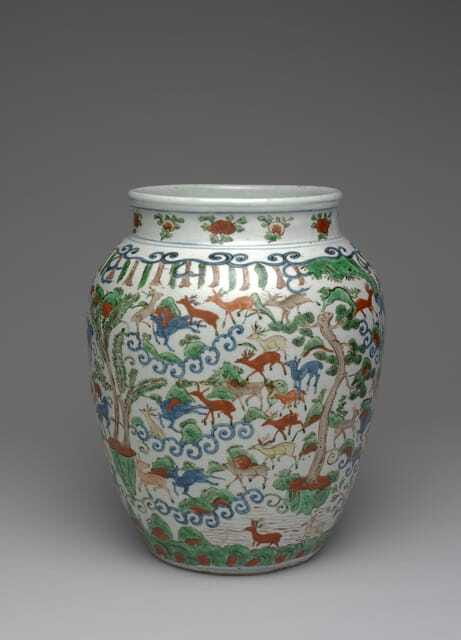
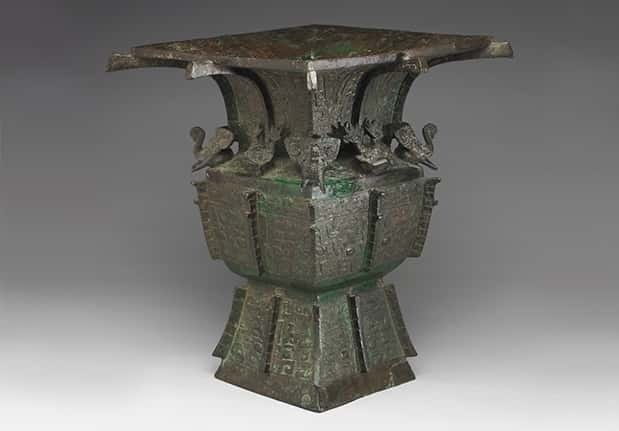
If you know one object name from this museum, it’s probably the jadeite cabbage carving. This pairing includes it for a reason: it’s one of those recognizable highlights that also acts like a gateway into the broader collection.
From the information here, you should expect art types like:
- Calligraphy
- Ceramics
- Paintings
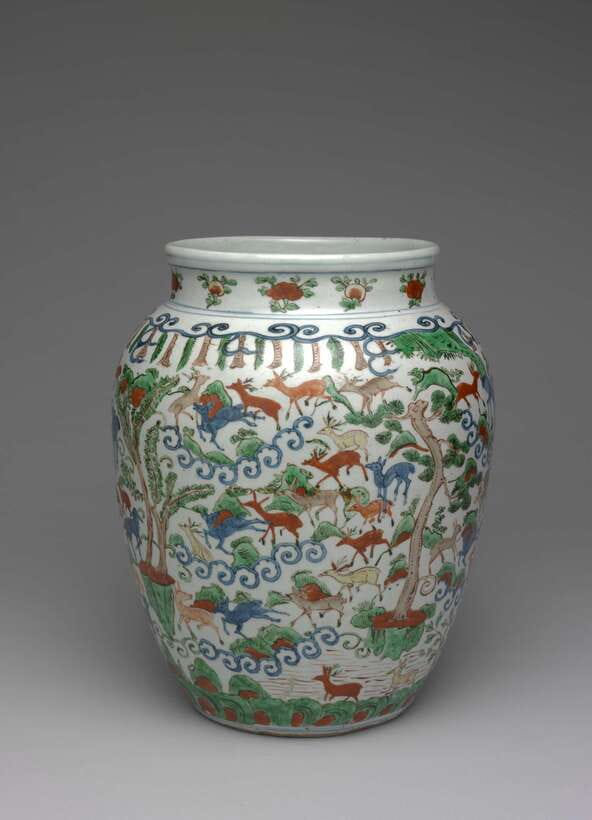
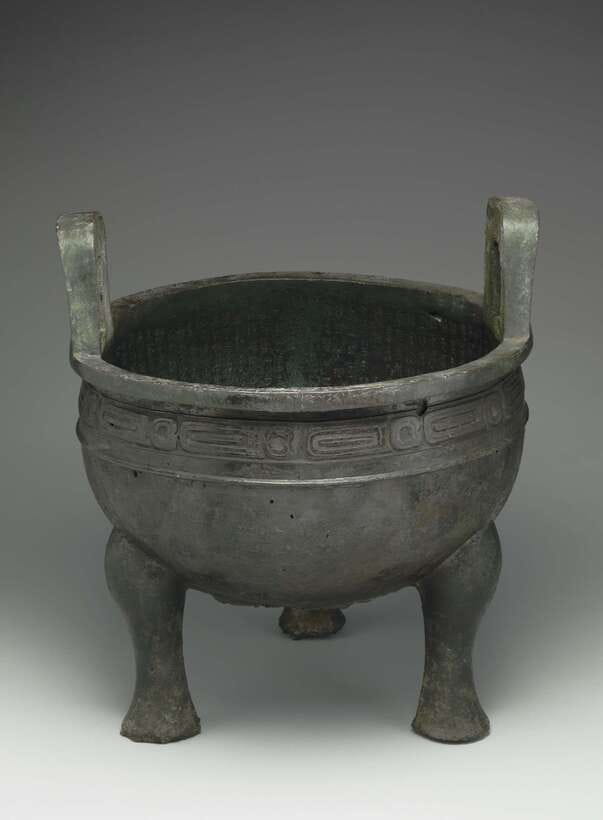
That mix is useful because it shows how Chinese culture expressed itself across media. Calligraphy isn’t just writing, it’s an artistic language. Ceramics show craftsmanship and design traditions. Paintings often connect to stories, literati culture, and how people saw nature and daily life.
How to pace it: give the first hour room to get your bearings. The collection is too large to walk in and instantly know where to go next. Use that first block to spot what themes are strongest for you, then commit to a smaller set of galleries for deeper time.
One review noted that the National Palace Museum was the main course of the visit and that it was especially memorable over a 3 to 4 hour stretch. That’s good advice for you too. If you only give it an hour, you’ll feel like you skimmed. Two to three hours is where the museum starts to feel meaningful instead of overwhelming.
Audio guide setup, museum rules, and practical tips that save your day
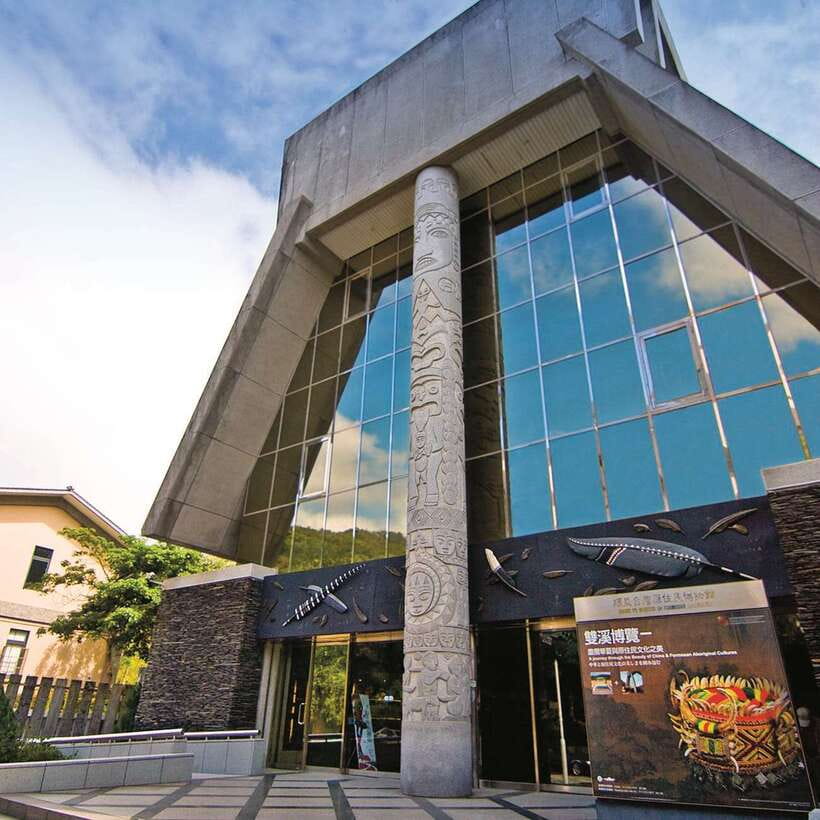
This package includes an audio guide for Shung Ye Museum of Formosan Aborigines only if you select that option. The National Palace Museum ticket does not include an audio guide, so plan to experience it either by reading signage closely or by using your own strategy if you want narration.
Museum rules are also worth noticing up front. Cameras are not allowed, and flash photography is not allowed. That changes how you take in the art. You’ll need to rely on observation, mental snapshots, and any notes you can write while you walk.
What about lockers? A locker fee is not included. Filming equipment must be left in onsite lockers, and the cost is listed at around TWD 20 each. If you’re traveling with bulky gear, consider what you’ll carry in your daypack so you’re not forced into last-minute storage.
What to bring is simple: bring your passport or ID card. That’s typical for ticket redemption and security.
If you’re visiting with kids, children under 7 have free entry. And the experience is wheelchair accessible, so you can plan around your mobility needs.
Price and value: is $15 for two Taipei museums a smart use of time?
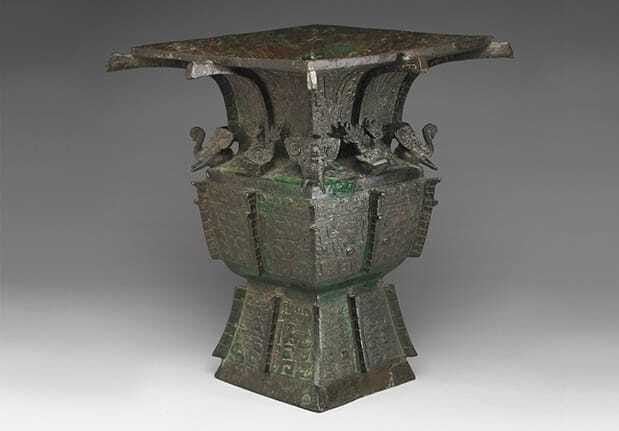
At about $15 per person, you’re paying for admission to both museums in one day. The value isn’t only the math. It’s the way the pairing works as a learning sequence.
Shung Ye helps you understand indigenous cultures, and the film screening adds present-day context. Then the National Palace Museum gives you scale, including an enormous collection with 700,000-plus pieces. If you were to do these separately, you’d likely either spend more time scheduling or end up missing the connection between themes.
The best part for your wallet is also the best part for your brain: you get to compare cultural narratives in the same day, without wasting half your trip on logistics.
Where value can dip is time. If you try to see everything at both places, you’ll feel rushed. But you’re not required to sprint. With self-paced entry, you can choose what to prioritize and still get a satisfying day.
Also, note the camera restriction. Some people buy museum trips partly for photos. If that’s you, accept that you’ll be collecting memories more than images.
Who this fits best, and who should adjust expectations
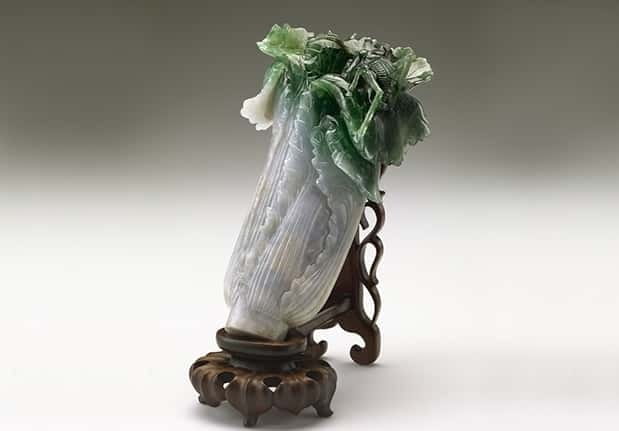
This experience fits you best if you want more than a checklist. You’ll probably enjoy it if you care about culture and history, and you like museums that explain how people lived, not just objects on shelves.
It also fits well if you’re curious about how Taiwan’s identity has multiple threads. Starting with Formosan aborigines and then moving into Chinese art and history gives you a clearer picture of influence and difference.
You might adjust your expectations if:
- You want lots of interactive activities at Shung Ye. It’s educational and focused rather than spectacle-heavy.
- You plan to rely on photos. Cameras are not allowed, so your experience has to be observational.
- You expect an included audio guide at the National Palace Museum. This package only guarantees audio for Shung Ye if you select that option.
Should you book this Taipei museum pairing?
Yes, if you want a high-value day where learning feels structured. The logic is strong: start with indigenous cultures at Shung Ye, then walk into the National Palace Museum and spend time with Chinese art across thousands of years. That contrast is the whole point.
Book it especially if you’re the type who likes to linger. The National Palace Museum’s size rewards slower visits, and the pairing gives you a natural morning-to-afternoon rhythm. If you’re the type who gets bored quickly in museums, you’ll still get highlights like the jadeite cabbage carving, but you should be prepared to focus on fewer galleries instead of trying to conquer everything.
If you’re ready for a thoughtful, self-paced day with clear cultural themes, this combo is a strong way to use your time in Taipei.
FAQ
What museums are included in this one-day experience?
You get tickets for both the Shung Ye Museum of Formosan Aborigines and the National Palace Museum.
How much does it cost?
The price is listed as $15 per person.
Where do I meet, and where is the start point?
The meeting point is Shung Ye Museum of Formosan Aborigines, No. 282, Sec 2, Zhi Shan Rd, Shilin District, Taipei City, Taiwan 111.
How do I get there using public transportation?
Take bus 255, S18, or S19 at Exit 1 of MRT Shilin station (red line), then get off at Wesley Girls High School (衛理女中).
Do I need to redeem my tickets at both museums?
No, you redeem both tickets at the Shung Ye Museum of Formosan Aborigines first.
Are audio guides included?
An audio guide for Shung Ye is included if you select that option. An audio guide for the National Palace Museum is not included.
What are the opening hours for each museum?
Shung Ye is open 9:00am to 5:00pm (Tue to Sun). National Palace Museum is open 8:30am to 6:30pm (Tue to Sun), with Fri and Sat extending to 9:00pm.
Are cameras allowed?
Cameras are not allowed, and flash photography is not allowed.
Do I need to bring anything with me?
Bring your passport or ID card.
Is there free entry for children?
Yes, children under 7 have free entry.
More Taiwan Museums
Everything We Have Reviewed in Taiwan
The Museums, Room by Room
Fresh off the notebook: more Taiwan tours we have reviewed
- From Taipei: Best of Taiwan 9-Day Trip with Accommodation★ 4.7 · 3 reviews
- ️ ️ Keelung Shore Excursion 6-Hour Taipei City Tour★ 5.0 · 3 reviews
- Keelung: Shore Excursion Private 8H Taipei Urban Adventure★ 4.7 · 4 reviews
- From Taipei City: 3-Day Sun Moon Lake & Alishan Private Tour★ 4.8 · 4 reviews
- From Keelung: Private Taipei City Landmarks Shore Excursion★ 5.0 · 4 reviews
- From Taipei: Thousand-Island Lake & Tea Museum Private Tour★ 4.7 · 5 reviews
National Palace Museum & Taipei Museums, weighed up.
 ★ 4.4National Palace Museum E-TicketFrom $11273 reviews
 ★ 4.0Taipei City Morning Tour with National Palace Museum entryFrom $52232 reviews
 ★ 4.6Morning City Tour with National Palace Museum EntryFrom $40173 reviews
 ★ 4.6National Palace & Shung Ye Aborigines Museums TicketFrom $1216 reviews
 ★ 4.5Taipei National Palace Museum Guided TourFrom $339 reviews
Where else this one shows up