
REVIEW · TAIWANESE FOOD TOURS
Taiwanese Gourmet Cooking Class in Taipei
Taipei tastes different when you cook it. This small-group Taiwanese cooking class teaches you signature flavors like mullet roe fried rice while you make the dishes start to finish. I also love that the session comes with the stories behind what you are cooking, not just recipes.
One thing to consider: this experience no longer offers a market tour, starting September 1, 2022.
In This Review
- Key Points Before You Go
- Why Taiwanese Comfort Food Works So Well in a Class
- CookInn Taiwan Location and What 9:30 AM Feels Like
- The Core Itinerary: What You Cook in 3 Hours
- Mullet Roe Fried Rice: Black Gold, Real Technique
- Three-Cup Chicken: Where Taiwanese Sauce Really Shows Up
- Squid with Five-Taste Sauce: Balancing Sweet, Savory, and Heat
- Soft Tofu Pudding: A Dessert That Teaches Texture
- More Than Recipes: The Stories Behind the Dishes
- The Multi-Course Feast After You Cook
- Price and Value: Is $95 Worth It?
- Who This Taipei Cooking Class Suits Best
- Practical Tips for Getting More From Your 3 Hours
- Should You Book This Taiwanese Gourmet Cooking Class?
Key Points Before You Go
- Small group, hands-on pace with a maximum of 8 people for real instruction
- Three classic dishes plus dessert in about 3 hours, so you get more than one recipe
- Sauces get explained, including Three-Cup Sauce and Five-Taste Sauce
- Bilingual teaching style is a major win, including clear English support from the instructor (Diana is mentioned in reviews)
- A sit-down feast right after cooking so you eat what you made, course by course
Why Taiwanese Comfort Food Works So Well in a Class
Taiwanese food is a great match for a cooking class because so much of the flavor comes from a few repeating ideas. You are not trying to memorize a dozen complicated steps. You focus on how sauces behave, how heat changes texture, and how to balance savory and sweet.
The big value here is that you get more than a list of dishes. You learn why certain combinations became classics. The class frames ingredients like mullet roe as “black gold,” a local treasure from nearby waters. That kind of context makes the cooking feel purposeful, not random.
Also, the menu is built around practical, repeatable techniques. You will likely be able to recreate the flavors at home, even if your ingredients are slightly different. And because the group stays small, you can ask questions while you are actively cooking, not after the fact.
CookInn Taiwan Location and What 9:30 AM Feels Like
The class starts at 9:30 am at CookInn Taiwan, Zhongshan 教室, at 66號2樓, Section 1, Chengde Rd, Datong District. It ends back at the same meeting point, so you do not need to plan transport after you finish.
A 3-hour morning slot is ideal for two reasons. First, you still have plenty of time to explore Taipei afterward. Second, it keeps the class from dragging, which matters when you are trying to chop, stir, and cook without feeling rushed.
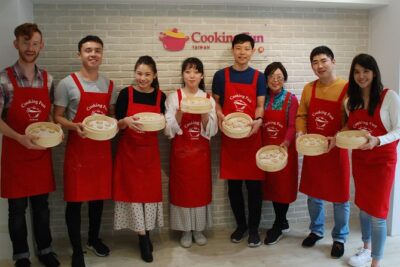
You will receive a mobile ticket, and confirmation comes at booking. Since the class is capped at 8 travelers, it tends to feel more like a workshop than a performance kitchen. If you prefer learning by doing, that format is a plus.
If you are the type who likes to arrive early and settle in, aim to be at the classroom a bit before the start time. In these classes, those first minutes help you get your station set up and your bearings before the cooking starts.
More eating your way through Taiwan
The Core Itinerary: What You Cook in 3 Hours
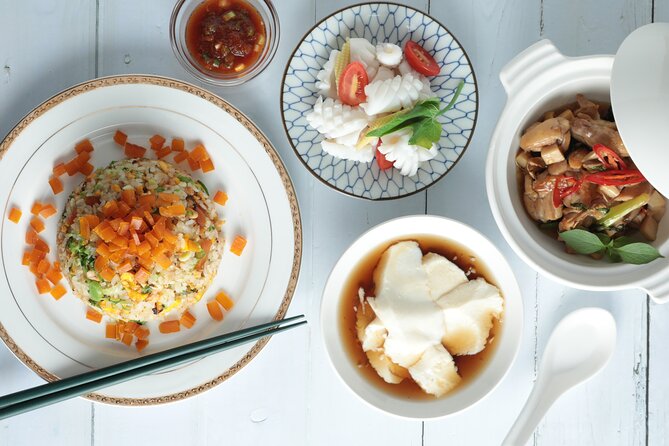
This class focuses on 3 classic savory dishes plus dessert. The key is that you go from prep to cooking to eating the results, all within the same session.
Here is the menu you can expect:
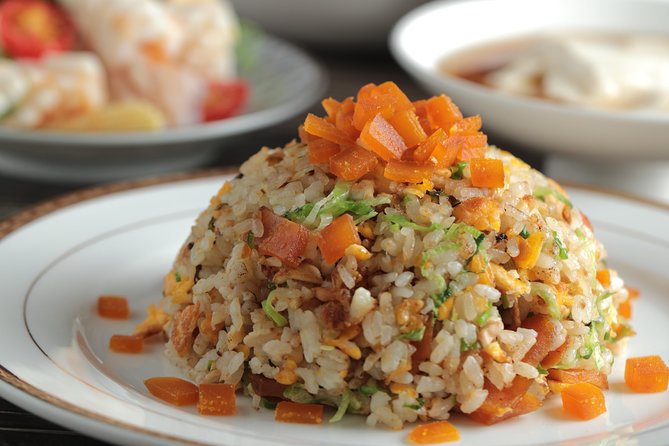
- Mullet Roe Fried Rice
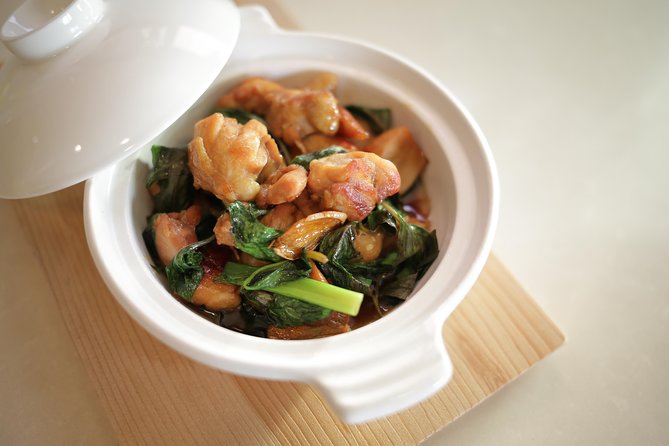
- Three-Cup Chicken
- Squid with Five-Taste Sauce
- Soft Tofu Pudding (dessert)
The time pressure is real, but the structure keeps it manageable. You are not just watching. You are working through each dish in a way that builds on what you learned in the previous course.
The instructor support is also part of the value. Reviews highlight clear teaching and no communication problems, including English support, with teacher Diana specifically mentioned as speaking both Chinese and English. That matters if your cooking vocabulary in Mandarin is limited, because you can still understand what to change while you cook.
Mullet Roe Fried Rice: Black Gold, Real Technique
Mullet roe fried rice is one of those dishes that sounds fancy but teaches a very practical concept: how to build flavor quickly without overcooking. In Taiwan, mullet roe is often described as “black gold,” tied to the idea that it is a treasured ingredient from local waters.
In a class like this, you are not only learning how to add the roe. You are learning how fried rice should feel. You want the rice to separate rather than turn mushy, and you want the seasonings to coat instead of sit on top.
That means technique matters more than ingredients. If you have made fried rice at home before and it turned out either dry or clumpy, this dish can help you reset your approach. The class setting makes it easier to correct mistakes quickly, like timing your additions so the rice heats through without getting soggy.
Also, fried rice is a great “starter dish” for a class because it teaches fundamentals fast. Heat control, seasoning balance, and texture checks are all right in front of you.
Other kitchens in Taiwan that will teach you
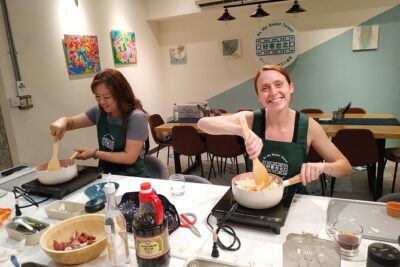

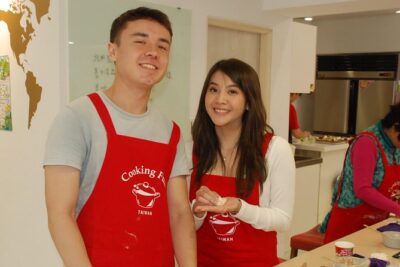
Three-Cup Chicken: Where Taiwanese Sauce Really Shows Up
Three-cup chicken is a classic for a reason. The name points to a sauce method, not just a flavor idea. You learn how Three-Cup Sauce works as a system, bringing together savory, aromatic, and slightly sweet elements into a glaze-like result.
This matters because three-cup is not just about getting it tasty once. Once you understand how the sauce reduces and clings, you can adapt it to other proteins and even vegetables. That is where a cooking class can pay off long after you leave Taipei.
In the class, you cook the chicken as part of a multi-course rhythm, so you learn pacing too. You are practicing how to manage a dish while other steps may be happening around you. That is a real-world cooking skill, not just a classroom trick.
The biggest takeaway for many people is likely the sauce behavior. Three-cup sauce is designed to turn from liquid into a coating. If you stop reducing too early, it stays thin. If you reduce too far, it gets sticky and harsh. A good instructor helps you find the sweet spot, and reviews suggest the instruction style is clear and easy to follow.
Squid with Five-Taste Sauce: Balancing Sweet, Savory, and Heat
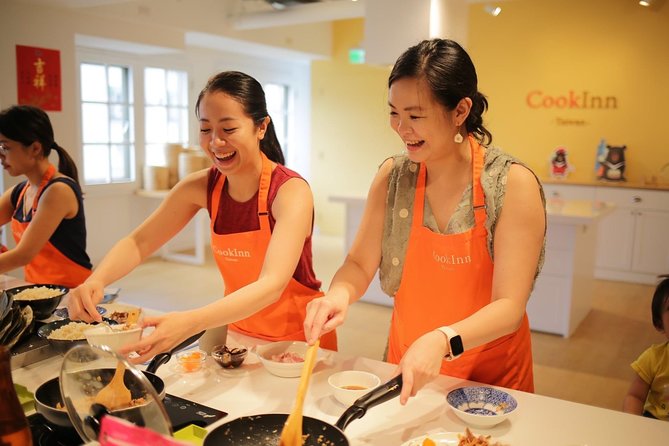
Squid can be intimidating, but it is also forgiving when you understand timing. Overcook it and it turns rubbery. Cook it right and it stays tender while soaking up sauce.
Five-taste sauce is another centerpiece here. The class calls it one of the most classic Taiwanese sauce styles, and it pairs especially well with squid because it brings flavor without needing heavy batter or frying.
Learning five-taste sauce is about balance. This sauce type aims to hit multiple taste notes so the dish feels complete. In a home kitchen, this is the part people often struggle with, because they tend to focus on one dominant flavor and forget the rest.
In the class format, you get a chance to see how the sauce integrates with the cooking process. You also get feedback before you lock in the final texture. That makes the dish far easier to reproduce later, which is one of the reasons home cooks like this style of class.
Soft Tofu Pudding: A Dessert That Teaches Texture
Soft tofu pudding (often served cool) feels simple, but it is a useful lesson in texture. It is not just about taste, it is about how to handle a delicate ingredient so it stays smooth and pleasing.
Dessert is a smart finish to a cooking class because it gives your brain a break from savory techniques while still teaching something concrete. You also get to taste the full menu as you go, so you experience how sweet rounds out savory.
If you only cook at home occasionally, dessert can be the easiest win, and that confidence matters. It gives you at least one dish that you might repeat quickly on your own.
The best part is that you are still learning technique, not just assembling something and calling it done. Even without a long explanation, the class format helps you understand what texture should look like, and what to adjust if it feels off.
More Than Recipes: The Stories Behind the Dishes
A standout element is that you get the stories behind what you are cooking. That turns ingredients into something you can remember, not just flavors you consume and forget.
For example, when the class frames mullet roe as black gold, it links the dish to local waters and a specific ingredient identity. When you learn that Three-Cup Sauce and Five-Taste Sauce are classic Taiwanese staples, those dishes stop feeling random. They become part of a bigger Taiwanese flavor logic.
You also end up learning the “why” behind seasoning styles. That is what helps with at-home cooking, because you can make smart substitutions instead of guessing blindly.
This is one reason the class works for both casual cooks and people who already cook at home. If you are a home chef, you can fine-tune your technique. If you are a beginner, you get a framework for understanding flavor rather than memorizing steps.
The Multi-Course Feast After You Cook
After cooking, you get a multi-course feast featuring what you made. This is not a tiny plate situation. The idea is that you cook, then you enjoy the results together.
Eating your own food while it is fresh is part of the learning loop. If a sauce seems too salty or too light, you notice it immediately, which helps you connect your actions to outcomes. And if you get it right, you get a clear target for what success tastes like.
In a small group, the meal also feels social without turning chaotic. With up to 8 travelers, you can actually talk and ask questions while you eat. That makes the whole experience feel more personal.
Price and Value: Is $95 Worth It?
At $95 per person, this class sits in the midrange for cooking experiences in major cities. It can feel steep if you are only after one recipe. But the value improves quickly because you are getting four complete dishes, hands-on instruction, and a meal afterward.
Think of what you receive in practical terms:
- Multiple dishes instead of a single cooking demonstration
- A small group size, which usually means more direct coaching
- Ingredient and sauce education, which helps you cook later at home
- A sit-down feast after you finish cooking
Also, because it is booked about 20 days in advance on average, it is clearly in demand. That can be good news for you, because it typically means the schedule is running and the class is a known favorite.
If you are the type who learns best by doing, this price makes sense. If you want a long guided tour of food markets and neighborhoods, you might feel like the 3 hours is too focused on the kitchen. The market tour part is also noted as not available starting September 1, 2022, so keep that in mind.
Who This Taipei Cooking Class Suits Best
This class is suitable for ages 12 and above. Children ages 7 to 11 get a 15% discount, and one child under 6 may accompany free of charge. The cooking pace and kitchen work are still the main focus, so it is best for kids who can handle an active, structured environment.
You will probably love this class if:
- You want Taiwanese flavors you can realistically reproduce later
- You enjoy sauce-driven cooking
- You prefer learning in a small group with personal instruction
- You want clear English support, especially if you do not speak Mandarin
It also works for experienced cooks who want “why does this sauce work” answers. And it fits casual cooks who want a straightforward, step-by-step lesson. Reviews specifically call out how helpful the tips are even for people who cook regularly.
If your travel style is mostly food browsing and you are not interested in hands-on work, you might choose something else. But if you want a skill plus a meal, this class is built for you.
Practical Tips for Getting More From Your 3 Hours
Keep it simple and show up ready to cook. Wear comfortable clothes that can handle kitchen heat and frequent movement. Have a phone charged if you want to capture dish stages, but do not let photos slow your pace too much.
Come with at least one question in mind. For example, ask how the sauce should look when it is ready, or what texture the dish should reach before plating. In these small-group settings, good questions get good answers.
Also, bring a light appetite. You will be cooking and then eating a multi-course feast, so you do not want to arrive starving. But you also do not want a full Taipei breakfast in your stomach.
If you are sensitive to certain foods, you should plan ahead. The class details do not list dietary accommodations here, so asking the provider at booking is the safest move.
Should You Book This Taiwanese Gourmet Cooking Class?
Book it if you want a focused, high-skill value experience in Taipei. For $95, you get four dishes, real sauce education, and the chance to sit down and eat what you made, all within about 3 hours. The small group size and clear instruction style, including English support from the instructor Diana mentioned in reviews, make it especially friendly if you are not traveling with a food expert.
Skip it if you are mainly craving a guided food market walk or a long neighborhood tour. The class is kitchen-first, and that structure is the point.
If you want to leave Taipei with flavors you can actually cook at home, this is one of the more direct ways to do it.
Everything We Have Reviewed in Taiwan



Cook It Yourself in Taiwan

Taiwan by the Plate
Fresh off the notebook: more Taiwan tours we have reviewed
- Keelung Shore Excursion: Private 6H Natural Wonder & Seafood Tour★ 5.0 · 3 reviews
- 8-Day Around Taiwan Private Tour★ 5.0 · 3 reviews
- Taiwan Multi-Day Classic Tour★ 5.0 · 4 reviews
- Ruifang Houtong Mining Road★ 5.0 · 4 reviews
- 1 day North Coast Yehliu Jiufen and Shifen Private Tour★ 5.0 · 4 reviews
- Hualien Taroko Day Tour From Ximending★ 5.0 · 4 reviews
Taiwanese Food Tours, weighed up.
 ★ 5.0The Award-Winning Private Food Tour of Taipei: The 10 TastingsFrom $90716 reviews
 ★ 4.7Food Tours w/ Top 10 Taiwan Food (Breakfast/Dinner)From $44517 reviews
 ★ 4.9Private Food Tour – 10 Tastings with LocalsFrom $131218 reviews
 ★ 5.0Xiao Long Bao, Beef Noodles & Boba Tea Cooking Class in TaipeiFrom $89159 reviews
 ★ 4.8Street Food & Hidden Eats Night Market Food TourFrom $55112 reviews
 ★ 5.0Taipei Hidden Eats, Market & Street Food Tour with 8+ TastingsFrom $54109 reviews
 ★ 4.5Din Tai Fung Restaurant ExperienceFrom $33109 reviews
 ★ 4.5Taipei Food Tour: Night Market & Convenience Store(Food Included)From $44100 reviews
Where else this one shows up