
REVIEW · TAIWANESE FOOD TOURS
Street Food Cooking Class in Taipei : Gua Bao/Lu Rou Fan/Boba Tea
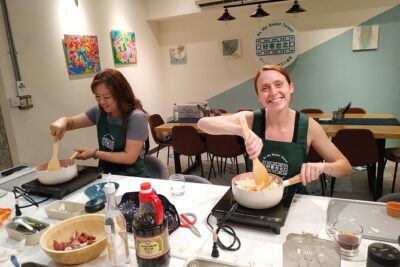
Street food, taught step by step. In Taipei, this hands-on xiao chi class turns favorites like gua bao and bubble tea into teachable skills, guided by friendly instruction from Angela. You’ll be cooking in a small setup, learning the logic behind the flavors instead of just watching another demo.
I love how the class focuses on the key build steps, like steaming the buns and mastering the pork braise so the sandwich actually tastes like Taipei. I also like the take-home value, since you get a recipe book you can use at home, not just photos for your camera roll.
One possible drawback: the bubble tea part can feel a little fiddly, especially when you’re making chewy boba pearls from scratch on a clock.
In This Review
- Key highlights worth knowing
- Why Taipei’s xiao chi cooking class works so well
- CookInn Taiwan in Zhongshan: what to expect when you arrive
- Gua bao: steaming buns and braising pork belly with real control
- Lu rou fan: turning braised pork into a proper pork rice bowl
- Bubble tea and boba pearls from scratch: the part that tests your timing
- The 2-hour flow: what you do, in what order, and why it matters
- What you eat at the end, and how hungry to arrive
- Price and value: is $79 worth a Taipei cooking class?
- Who this class is best for, and who should consider other options
- Quick practical tips before you book
- Should you book this Taipei street food cooking class?
- FAQ
- What dishes will I learn to make?
- How long is the cooking class?
- What is the group size?
- Where does the class meet in Taipei?
- What time does the class start?
- How much does it cost?
- Do I eat what I cook?
- Will I get anything to take home?
- Is a mobile ticket used?
- What is the cancellation window?
Key highlights worth knowing
- Max 8 people means real attention when your hands hit the dough or the pot
- Angela as your guide keeps the pace practical, with clear help if you get stuck
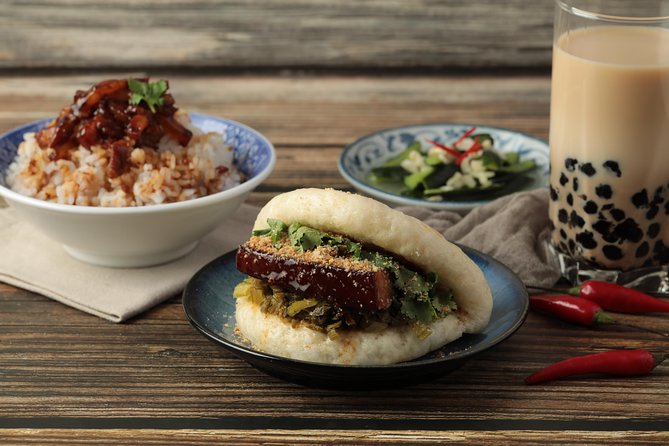
- Gua bao from scratch includes the steam buns and the braised pork approach
- Lu rou fan basics help you understand how Taiwanese pork rice gets layered
- Bubble tea with homemade pearls so you learn the one step that makes or breaks the drink
- A shared meal at the end means you actually get to eat what you made, not just take notes
Why Taipei’s xiao chi cooking class works so well
Taipei’s street-food culture is built on xiao chi, the small eats you order casually and share like snacks with a purpose. A lot of food tours show you what to buy. This class shows you how it’s made, which makes every bite back on the street taste more intentional.
The smart part is the dish selection. Gua bao and lu rou fan are classics you’ll see again and again, and bubble tea is the drink that made Taiwanese flavors go global. When you learn the construction, you stop treating these items like mysteries from a vendor window.
Also, the time length makes sense. You get about 2 hours, long enough to do real work, not so long you feel cooked before you even start.
CookInn Taiwan in Zhongshan: what to expect when you arrive
You’ll meet at CookInn Taiwan (Zhongshan教室) on Chengde Rd in Datong District. The start time is 2:30 pm, and the experience runs for about 2 hours, with it ending back at the meeting point.
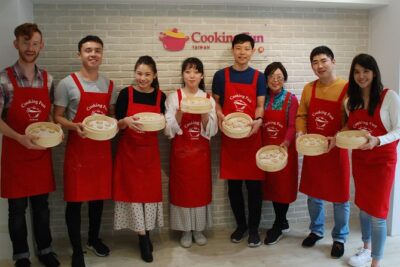
The class is designed for a small group, capped at 8 travelers. That matters because Taiwanese cooking is step-based. If your bun steam timing is off or your braise doesn’t reduce the way it should, it helps to have someone at your station.
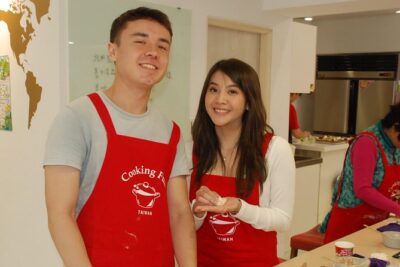
From the reviews, the teaching style is patient and hands-on. People call out how the instructor is friendly and helpful, including families with kids. If you’re bringing less-than-confident kitchen skills, this is the kind of class where you can still have fun without feeling rushed.
More eating your way through Taiwan
Gua bao: steaming buns and braising pork belly with real control
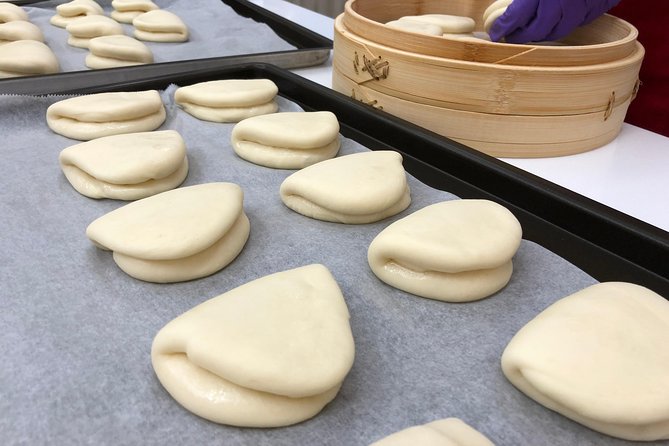
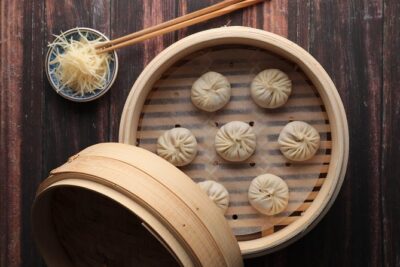
This class treats gua bao like the star for a reason. You learn how to make the steam buns and the braised pork belly that goes inside, often described as Taiwanese hamburger style.
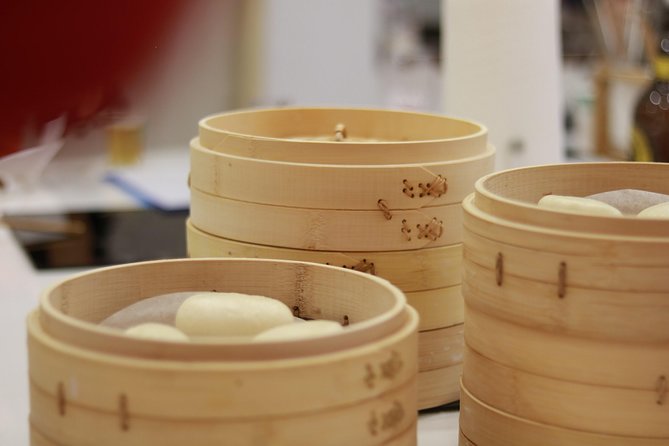
What I like about this approach is that it teaches you the two halves of the sandwich, not just one. The steamed bun isn’t only dough, it’s texture. If the bun is too dense or undercooked, the sandwich loses that soft, pillowy contrast to the rich pork.
On the pork side, the instruction focuses on classic braising technique, which is basically patience plus reduction. Braising gives you depth, because slow heat turns tougher pork belly into something you can actually bite without a fight. The goal is a pork that’s flavorful enough to carry the sandwich even when you assemble it simply.
In the feedback, gua bao is repeatedly called the best part, with people saying it came out delicious and that it was the highlight. That tracks with the way the class is structured: it’s not just assembly, you’re doing the key steps.
Lu rou fan: turning braised pork into a proper pork rice bowl
Lu rou fan is the other big Taiwan comfort dish here, and it connects directly to your work on the braised pork belly. If you’re learning braising anyway for gua bao, using that same pork for pork rice is practical, and it helps you understand how the pork behaves when served over rice.
You’ll learn how to use the braised pork as a topping for rice. This matters because lu rou fan isn’t only about pork. The bowl is a system, and the pork has to be balanced enough to work with plain rice.
If you’re the type who loves ordering street food but never knew what to ask for, this step gives you a mental model you can reuse. Once you understand how the pork is flavored and reduced, you can better judge what you’re tasting when you order it later in the city.
Other kitchens in Taiwan that will teach you

Bubble tea and boba pearls from scratch: the part that tests your timing
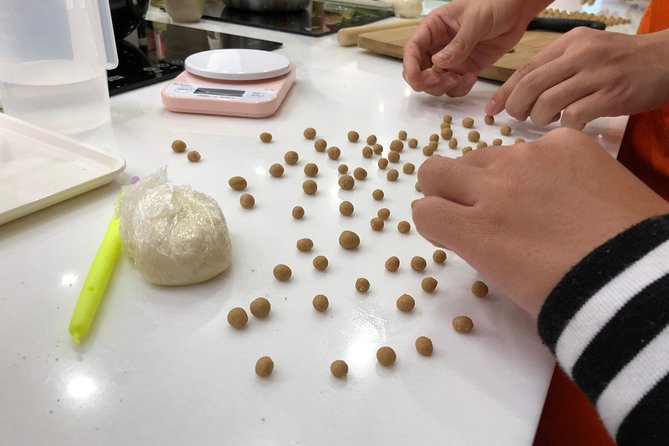
Bubble tea is the drink most people recognize, but making it at home is where the real lesson lives. In this class you make tapioca pearls from scratch, then you shake a cup of bubble milk tea yourself.
The pearls are chewy, and that chew comes from precise handling. Even if you’ve watched boba being made before, doing it hands-on tends to feel harder than it looks. One review specifically called out that boba making can be hard, which is honest. Another review praised the process as amazing, even with the challenge.
That challenge is actually a good thing. It trains you to notice texture and timing instead of relying on guesses. And since Taiwan bubble tea can vary by shop, learning the fundamentals helps you understand why some pearls feel springy and others feel off.
Then comes the fun part: mixing the drink. Shaking bubble tea isn’t complicated, but it’s satisfying because you see immediately how the homemade pearls behave once they meet the tea and milk.
The 2-hour flow: what you do, in what order, and why it matters
The class is hands-on from start to finish. You’re not waiting for long lectures. You’re actively cooking in parallel chunks, like bun prep, pork work, and boba steps.
The flow is also smart because it balances tasks that need time and tasks that need attention. Braising needs longer heat exposure and reduction. Pearl making needs active handling and getting the texture right. Steamed buns need timing too.
That’s why a small group helps. If you’re doing one step while someone else is at a different stage, an instructor can help you catch up or slow down. In the reviews, people highlight that the instructor is capable and interesting, and that guidance is easy for everyone to follow.
If you tend to get hungry quickly, plan to arrive with an appetite. The class ends with a meal made from what you prepared, so you won’t just leave smelling great food, you’ll actually eat it.
What you eat at the end, and how hungry to arrive
At the end, you sit down and enjoy the dishes you made. The core meal centers on the dishes taught: gua bao, lu rou fan, and bubble milk tea with the pearls you crafted.
This is not a tiny tasting spoon situation. It’s class plus lunch-style payoff. Multiple reviews praise the food quality and say the end result was amazing, especially the gua bao.
My practical advice: come hungry, but also don’t show up in a panic. If you’ve eaten a heavy meal right before, you might feel like the class is more work than reward. If you keep it light, you’ll enjoy the full arc, from cooking to eating.
Price and value: is $79 worth a Taipei cooking class?
At $79 per person for about 2 hours, the best way to judge value is what you actually leave with. You’re paying for hands-on instruction, a small group experience, ingredients, and the full set of skills to produce three street-food staples.
What makes it feel worth it is the take-home support. People specifically mention receiving a recipe book, and they treat it like a souvenir they’ll use later. If you buy just one guided food experience in Taipei, you want that learning component. This class is built around skills you can repeat.
Also, the small group cap of 8 boosts the value. Many classes at this price feel more like watch-and-help. Here, reviews suggest you get enough attention to do things correctly, like shaping pearls and managing the pork.
One more value factor: the class gives you context for street food. After learning the build steps, you’ll understand what you’re tasting when you later order gua bao or bubble tea outside. That can make your whole Taipei food week more satisfying.
Who this class is best for, and who should consider other options
This is a strong fit if you want food knowledge, not just a meal. If you like street food but want to stop guessing how it works, you’ll get real satisfaction from learning the components that create flavor and texture.
It’s also a good family option in at least some cases. Reviews mention that the instructor was patient with kids around ages 8 to 11 and included them in the process. That suggests the class can handle different comfort levels, at least within the normal hands-on cooking style.
You might want to think twice if you’re extremely short on time. The schedule is fixed at 2:30 pm and lasts about 2 hours, and the experience starts at the Zhongshan classroom. If you need flexibility that day, check your plans carefully.
And if you hate fiddly texture work, know that boba pearls are part of the experience. Expect it to be the most challenging portion, even if the instructor helps.
Quick practical tips before you book
Bring a curious mindset. This isn’t only about following steps, it’s about learning what to watch for while you cook.
Wear comfortable clothes. Cooking involves handling dough-like or sticky ingredients, especially when making boba pearls.
Go in expecting gua bao to feel like the highlight. Many people say it’s the star. The more you lean into that, the more fun you’ll have assembling and tasting your own sandwich.
If you’re a bubble tea fan, this is also the class to pick. Making the pearls from scratch is the part you cannot fake later with a packet.
Should you book this Taipei street food cooking class?
I’d book it if you want a hands-on way to learn Taiwanese staples, especially if gua bao, lu rou fan, and bubble tea are on your Taipei food list. The combination of small-group attention, an instructor who stays helpful, and a recipe book take-home makes the price feel more like a cooking workshop than a basic meal.
I’d hesitate only if you strongly dislike challenging texture tasks. The boba pearls step can be tricky, but that’s also where the skill payoff is biggest. If you can handle a little mess and a little timing pressure, you’ll leave with food you made and knowledge you can use back home.
FAQ
What dishes will I learn to make?
You’ll learn to make gua bao (steamed bun with braised pork belly), lu rou fan (braised pork served over rice), and bubble milk tea with tapioca pearls.
How long is the cooking class?
The class is about 2 hours.
What is the group size?
The class has a maximum of 8 travelers, which keeps it small-group style.
Where does the class meet in Taipei?
The meeting point is CookInn Taiwan (Zhongshan教室), 103, Section 1 Chengde Rd, Datong District, Taipei City, 66號 2樓.
What time does the class start?
The start time listed is 2:30 pm.
How much does it cost?
The price is $79.00 per person.
Do I eat what I cook?
Yes. After the class, you sit down to enjoy the meal made from what you prepared.
Will I get anything to take home?
You receive a recipe book, which many people mention as a great souvenir.
Is a mobile ticket used?
Yes, it includes mobile ticket entry.
What is the cancellation window?
Cancellation is free if you cancel at least 24 hours before the experience’s start time. If it’s canceled for a minimum traveler requirement, you’ll be offered a different date or a full refund.
Everything We Have Reviewed in Taiwan


Cook It Yourself in Taiwan


Taiwan by the Plate
Fresh off the notebook: more Taiwan tours we have reviewed
- Keelung Shore Excursion: Private 6H Natural Wonder & Seafood Tour★ 5.0 · 3 reviews
- 8-Day Around Taiwan Private Tour★ 5.0 · 3 reviews
- Taiwan Multi-Day Classic Tour★ 5.0 · 4 reviews
- Ruifang Houtong Mining Road★ 5.0 · 4 reviews
- 1 day North Coast Yehliu Jiufen and Shifen Private Tour★ 5.0 · 4 reviews
- Hualien Taroko Day Tour From Ximending★ 5.0 · 4 reviews
Taiwanese Food Tours, weighed up.
 ★ 5.0The Award-Winning Private Food Tour of Taipei: The 10 TastingsFrom $90716 reviews
 ★ 4.7Food Tours w/ Top 10 Taiwan Food (Breakfast/Dinner)From $44517 reviews
 ★ 4.9Private Food Tour – 10 Tastings with LocalsFrom $131218 reviews
 ★ 5.0Xiao Long Bao, Beef Noodles & Boba Tea Cooking Class in TaipeiFrom $89159 reviews
 ★ 4.8Street Food & Hidden Eats Night Market Food TourFrom $55112 reviews
 ★ 4.5Din Tai Fung Restaurant ExperienceFrom $33109 reviews
 ★ 5.0Taipei Hidden Eats, Market & Street Food Tour with 8+ TastingsFrom $54109 reviews
 ★ 4.5Taipei Food Tour: Night Market & Convenience Store(Food Included)From $44100 reviews
Where else this one shows up