
REVIEW · TAINAN HERITAGE TOURS
Tainan Culture Trip: Chinese Tea Ceremony_Oolong Tea
Oolong tastes better when someone explains it. In Tainan, King runs a calm, English-guided Chinese tea ceremony at the TOT House, turning the pour into a hands-on lesson about aroma and flavor shifts in oolong tea.
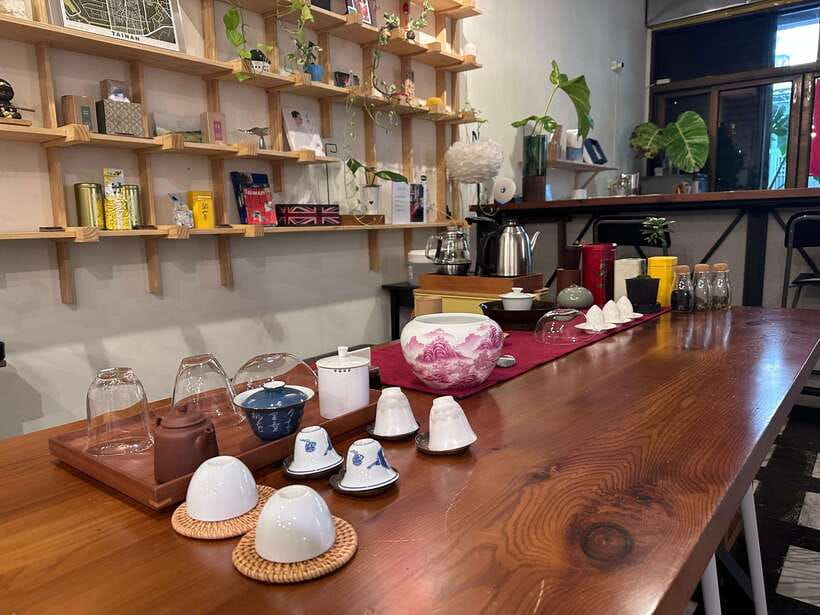
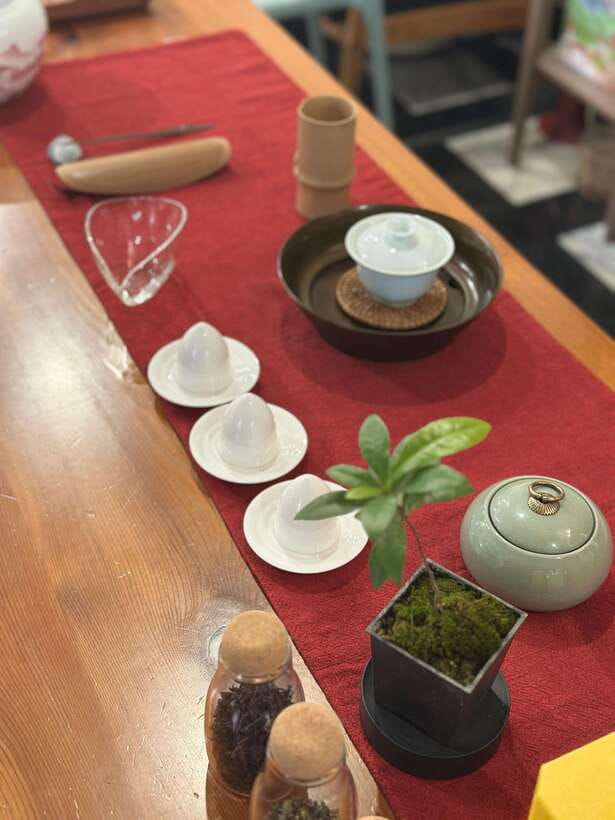
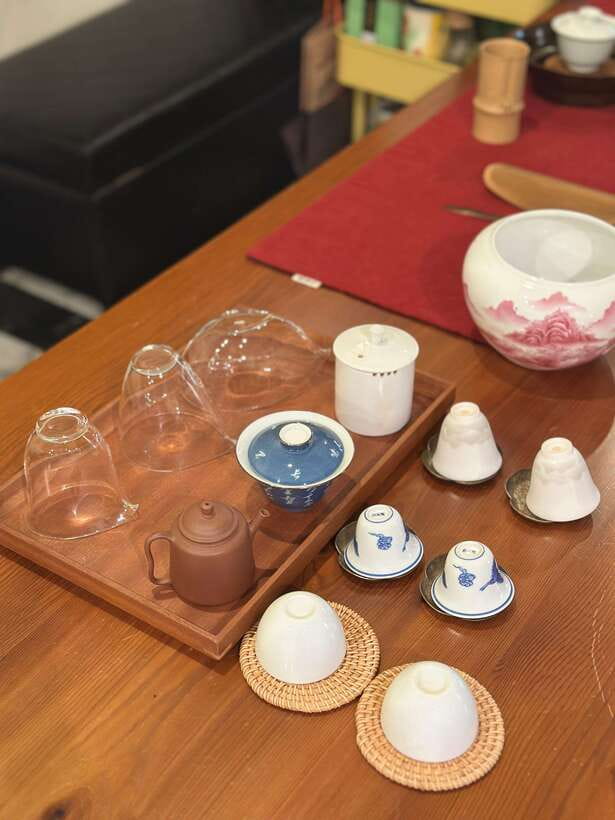
Two things I love: the tea tasting itself, with at least four oolongs and clear guidance on what to notice as flavors evolve, and the ceramic tea wares, including a Gaiwan, terracotta teapots, and different cup shapes so you can taste with your senses, not just your tongue.
One possible drawback: the rules are firm. It is cellphone-free (no video recording and no filming during the ceremony), so come ready to slow down and pay attention.
In This Review
- Key highlights you will care about
- Tainan Oolong Tea Ceremony: what you are really paying for
- Finding the TOT House and what happens in the first 90 minutes
- Tea history and oolong basics in plain English
- Tea ceremony etiquette: small moves with big effect
- The tea wares: Gaiwan, terracotta pots, and cup textures
- Your oolong tasting flight: what to notice in each steep
- Tea culture in Taiwan: medicine, symbolism, daily life
- Rules to follow, plus what to do when it ends
- Price and value for a private group of up to two
- Should you book the Oolong Tea ceremony in Tainan
- FAQ
- How much does the Chinese Tea Ceremony_Oolong Tea cost?
- How long is the tea ceremony?
- Where is the meeting point?
- Is the ceremony taught in English?
- What teas are included in the tasting?
- What tea utensils will we see or use?
- Are there different tea cups during the session?
- What is not included in the price?
- What are the rules during the ceremony?
- Is it wheelchair accessible, and is it suitable for everyone?
Key highlights you will care about
- Private 90 minutes for up to 2 people, so you can ask questions without feeling rushed
- At least four oolong tastings, designed for clear comparison of flavor and aroma
- Ceremony etiquette taught in English, including how to accept cups and show gratitude
- Real tools, real technique: Gaiwan, terracotta teapots, and multiple cup styles
- A warm host named King (王) who keeps the pace relaxed and the explanations practical
- A mindful, slow rhythm, ideal if you want a break from faster sightseeing
Tainan Oolong Tea Ceremony: what you are really paying for
On the surface, this looks like a classic tea activity. In practice, it is closer to a mini workshop in how to taste and how to behave in a Chinese tea ceremony setting.
The value is not just that you drink tea. You learn why the tea changes with each infusion, why utensil choices matter, and how ceremony etiquette shapes the mood. That matters because oolong is not one flavor. It can be floral and fruity, or woody and roasted, sometimes all in the same selection if you keep tasting across steeps.
You also get a private group setup. With only up to two people per group, the session feels personal instead of classroom-like. If you are the kind of traveler who likes details, this one fits.
And if you are new to tea, it still works. King’s approach is friendly and question-friendly, so you are not expected to already know what an oolong should smell like.
Finding the TOT House and what happens in the first 90 minutes
You meet at the Taiwan Oolong Tea House, called TOT House. The front door looks like a normal household. When you arrive, you press the bell.
Once you are inside, expect a steady flow with a calm pace. The 90 minutes are built around guided storytelling, etiquette guidance, and tastings, not just a single pour-and-go moment. English is used throughout, which is a big plus if you want to understand the meaning behind the ritual, not just copy the motions.
Plan your day so this is not squeezed between frantic connections. The whole point is slow attention. One extra practical tip: avoid heavy perfume. It is specifically noted, because strong scents can overpower the tea aroma and make tasting harder for you and others.
At the end, you should feel like you know what you like. Many people enjoy following up with an easy walk around Tainan, because you are already in a calmer frame of mind.
More of the old capital, at walking pace
Tea history and oolong basics in plain English
Before the tastings, you get context. You learn the history and significance of Chinese tea, including where tea culture comes from and why it matters in everyday life.
Then the focus shifts to tea types and what makes oolong different. You get a clear framework for tasting: oolong is known for a complex profile. Depending on the variety and processing, it can move between notes like floral, fruity, woody, or roasted. King helps you connect those aromas and flavors to what you are seeing and smelling in the cup.
This is where I think the experience earns its keep. If you already drink tea, it helps you refine your palate. If you are starting from zero, it gives you a vocabulary you can actually use. You are not stuck with vague descriptions like smooth or strong.
You also get cultural context beyond flavor. Tea is tied to symbolism in rituals and has connections to traditional Chinese medicine. The goal is not medical instruction. It is cultural understanding, so you can recognize why tea is treated as something more than a drink.
Tea ceremony etiquette: small moves with big effect
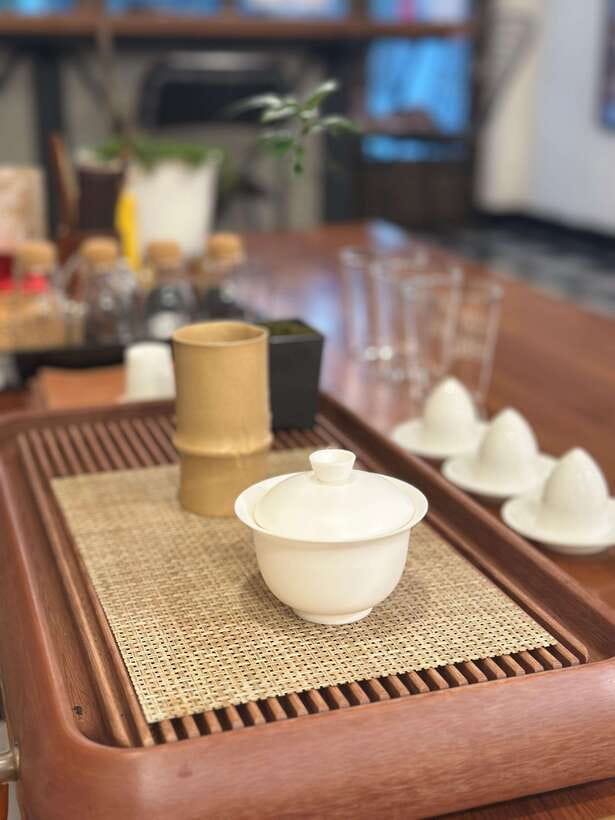
Etiquette is taught directly during the ceremony. That matters because Chinese tea ceremonies are meant to be respectful and mindful, not performative.
In practical terms, you will learn how to accept your tea cup and the traditional courtesies connected to receiving and offering tea. You also learn how gratitude is shown within the ritual. Even if you have attended other cultural performances, you will likely notice that this ceremony is built around quiet attention and intentional movement.
King keeps it relaxed, but the structure stays clear. You are guided so you do not have to guess what is expected. That is a huge stress reducer for first-timers. Instead of worrying about doing it wrong, you can focus on learning why each step exists.
One more etiquette note for comfort: it is not just no recording. It is also no cellphone use during the ceremony. Bring a phone if you need it for travel, but plan to keep it put away so you are fully in the moment.
The tea wares: Gaiwan, terracotta pots, and cup textures
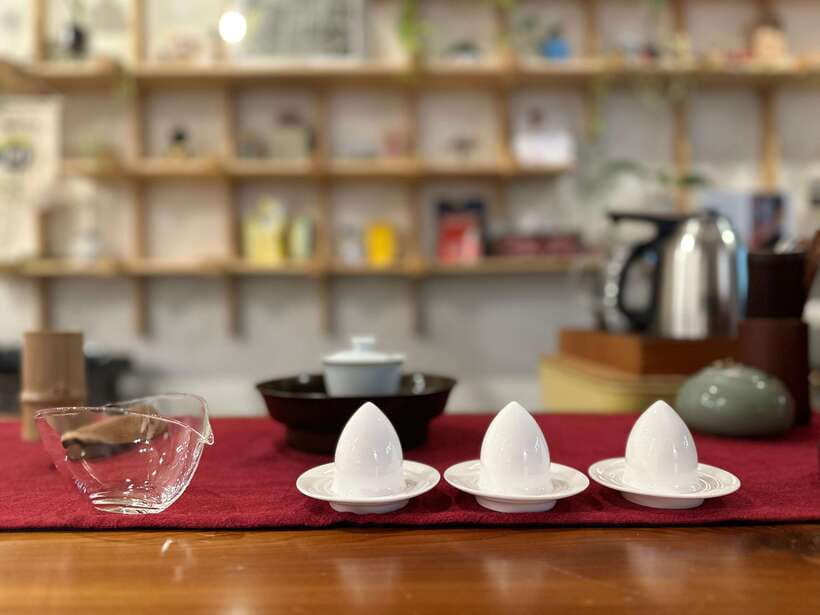
The utensils are a core part of the experience. You do not just taste tea. You appreciate the craftsmanship.
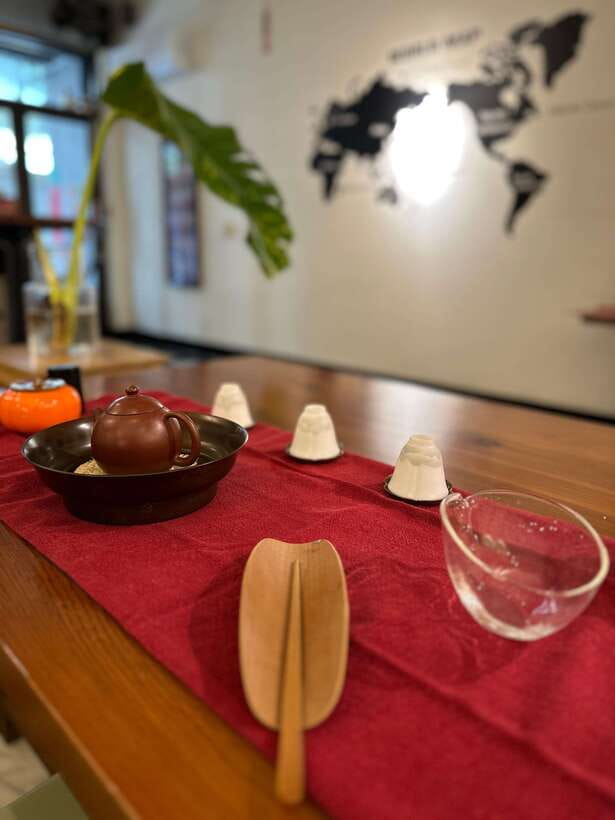
You will at least see a Gaiwan (a lidded bowl type used often for oolong) and terracotta teapots. Different tea tools can change how you pour, how hot the infusion stays, and how aroma concentrates before you taste.
You will also try at least three kinds of tea cups, with different shapes and textures. This is more important than it sounds. Cup shape affects how aroma reaches your nose. Texture can affect how you perceive temperature and mouthfeel. It is a sensory trick, but a useful one, especially when you are comparing multiple oolongs in one sitting.
If you care about design or handmade objects, you will appreciate this part. Several people highlight how King uses different pots and cups depending on the tea, because it helps you experience each selection in a more complete way.
You might also see small cultural add-ons during the session. One guest noted King shared elements like calligraphy and pottery insights as part of his tea culture approach. Not every session has the same extras, but it is a sign that King likes to connect tea to broader art forms.
Your oolong tasting flight: what to notice in each steep
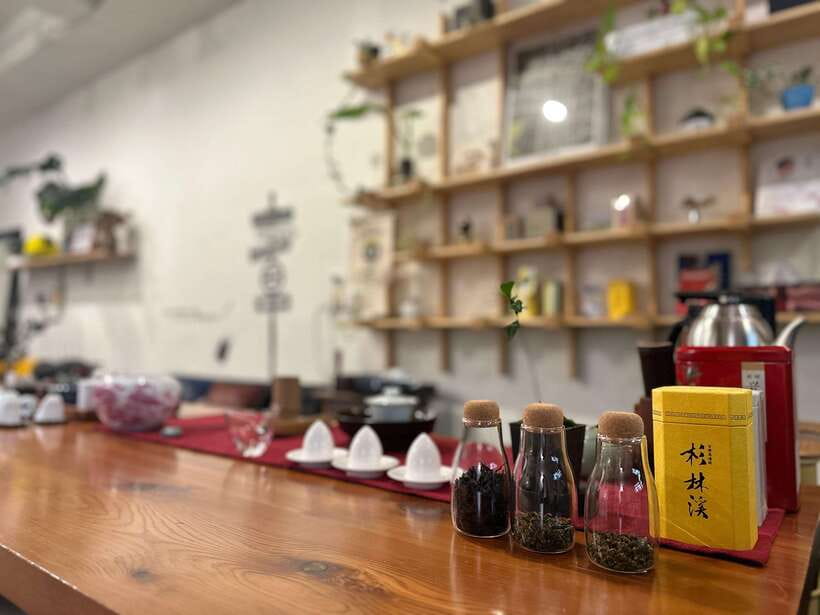
You should expect a tasting flight of various oolongs, with at least four different oolong teas. That sets this apart from tastings where you only sample one or two teas and call it a day.
The experience includes tasting, and it also includes guidance on how to savor aroma and taste. King encourages you to notice nuances and how the flavor evolves with each infusion. This is where oolong becomes interesting fast. Many oolongs reveal different layers as the tea is steeped again and again.
A simple way to follow along during the tasting:
- Start with aroma. Take a slow inhale before sipping.
- Sip and notice the first impression, then the aftertaste.
- Compare across the different teas, not just within one cup.
- When you change cups or tools, pay attention to aroma intensity and how the finish feels.
Because you are tasting multiple oolongs back to back, the comparisons become clearer. You begin to separate what you like from what is just new to your palate.
If you are a tea enthusiast, you get enough structure to feel like it is educational. If you are casual, you still get a clear, guided experience that makes the tea’s complexity easier to understand.
Tea culture in Taiwan: medicine, symbolism, daily life
Tea has a place in Chinese culture far beyond one cozy afternoon. In this ceremony, you get cultural background that helps explain why tea is still taken seriously today.
You learn about tea’s role in traditional Chinese medicine, and how it appears in symbolism tied to rituals. You also hear how tea fits into daily life and social customs. In other words, you are not just learning how to taste oolong. You are learning why tea is worth learning in the first place.
This context pairs well with the etiquette portion. When you understand the meaning behind the ritual, the motions feel less like memorization and more like respect. It also makes the calm pace feel purposeful rather than slow.
For travelers, this is the kind of cultural learning that sticks. You end up with stories you can reuse, and you understand what you are buying when you pick up tea later.
Rules to follow, plus what to do when it ends
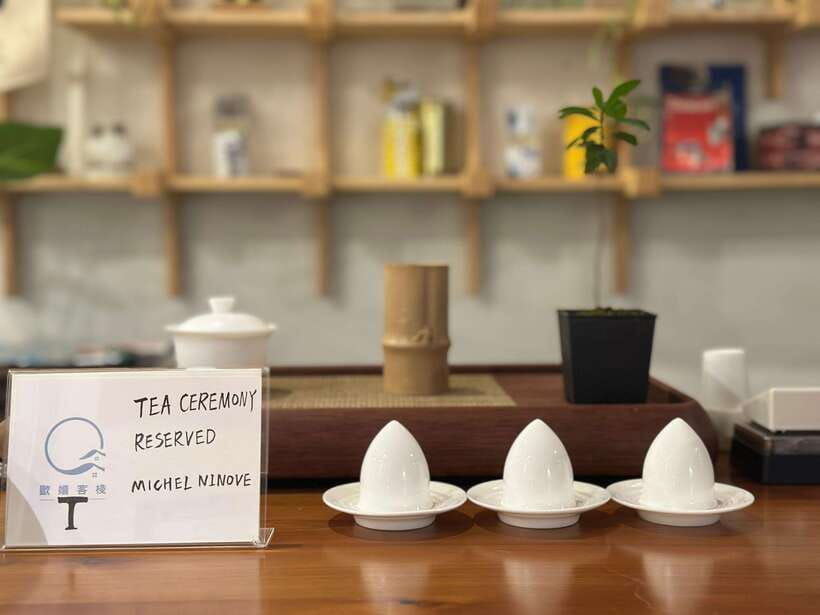
Before you go, keep the session rules in mind so you do not feel awkward halfway through. Smoking is not allowed. Video recording is not allowed. Cellphones and video shooting are also not allowed during the ceremony.
Also, go easy on strong perfume. It is specifically mentioned, and it genuinely affects how well you can smell oolong aroma.
After the ceremony, you are free to continue your day. Many people like following it with a relaxed walk around Tainan while the flavors and calm mood are still fresh. If you want a plan, ask King what to see nearby, especially if you are on a short itinerary.
One practical safety note: the activity is marked wheelchair accessible, but it is also noted as not suitable for people with mobility impairments. If that applies to you, check details with King after booking so you know what the setup will be like for your situation.
Price and value for a private group of up to two
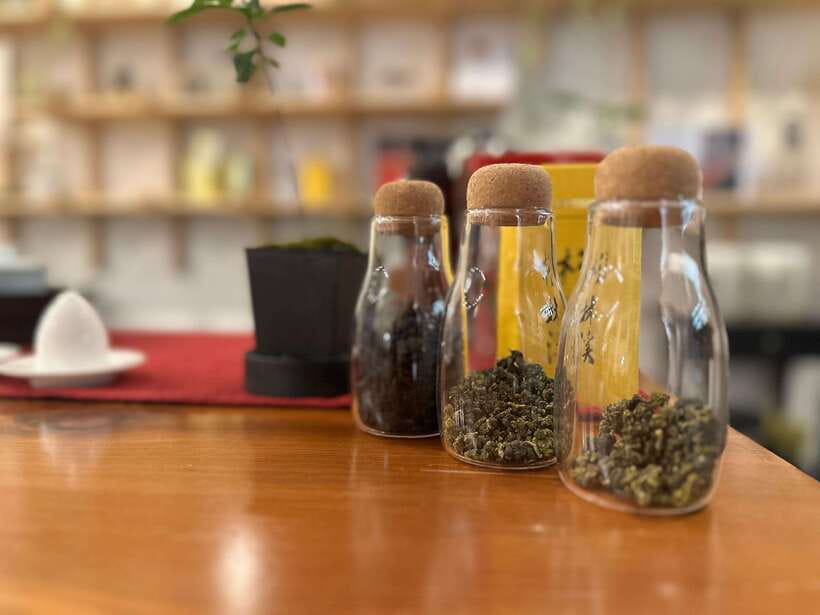
The price is $50 per group for up to 2 people, for a total duration of 90 minutes. That can be a great deal if you are traveling with someone you like chatting with.
Here is why it feels like good value:
- You get a guided ceremony plus a tasting of at least four oolongs
- You try at least three cup types, in different shapes and textures
- You appreciate at least two brew utensils, including a Gaiwan and terracotta teapots
- The session is private, so King can tailor the pacing and answers to your level
If you are going solo, the value depends on whether you prefer shared group formats. But with this private setup, you do not have to compete for attention. That is often worth paying for, especially if you care about learning how to taste.
Also, because the ceremony is in English, you are not relying on translation apps or guessing what things mean. That makes the learning portion feel real.
Should you book the Oolong Tea ceremony in Tainan
Book it if you want something more grounded than a typical food stop. This is a structured, sensory lesson where you learn tea history, etiquette, and how oolong develops across infusions. It also suits you if you like small-group cultural experiences with real interaction.
You might skip it if you need constant entertainment, because the pace is intentionally slow and mindful. And if you hate rules around phones, recording, and attention, this may feel restrictive.
My take: this is one of those Tainan experiences where you leave with a sharper palate and a better understanding of why tea matters. If you have time for a 90-minute reset, it is a strong choice.
FAQ
How much does the Chinese Tea Ceremony_Oolong Tea cost?
It costs $50 per group for up to 2 people.
How long is the tea ceremony?
The duration is 90 minutes.
Where is the meeting point?
Meet at the Taiwan Oolong Tea House (TOT House). The front door looks like a normal household, then you press the bell when you arrive.
Is the ceremony taught in English?
Yes. The ceremony is conducted in English.
What teas are included in the tasting?
You get tasting of various oolong teas, with at least 4 kinds.
What tea utensils will we see or use?
You will appreciate at least two brew utensils, including a Gaiwan and terracotta teapots.
Are there different tea cups during the session?
Yes. You will try at least 3 kinds of tea cups in different shapes and textures.
What is not included in the price?
Transportation to and from the venue and meals are not included.
What are the rules during the ceremony?
Smoking is not allowed. Video recording is not allowed. Cellphones and video shooting are also not allowed during the ceremony. Strong perfume is discouraged.
Is it wheelchair accessible, and is it suitable for everyone?
It is marked wheelchair accessible, but it is also noted as not suitable for people with mobility impairments. It is not suitable for children under 5 years.
Everything We Have Reviewed in Taiwan

Tainan, the Old Capital
Fresh off the notebook: more Taiwan tours we have reviewed
- Tainan: Sicao Green Tunnel Scenic Boat Ride★ 3.7 · 19 reviews
Tainan Heritage Tours, weighed up.
 ★ 5.05-Day Best of Taiwan: Sun Moon Lake, Tainan, Kaohsiung, HualienFrom $715578 reviews
 ★ 3.7Tainan: Sicao Green Tunnel Scenic Boat RideFrom $919 reviews
 ★ 5.0Food and Culture Walking Tour in TainanFrom $7816 reviews
 ★ 5.0Private 3-Day Southern Taiwan Tour (Tainan, Kaohsiung, Kenting)From $1,0959 reviews
 ★ 5.0Tainan Ancient Capital & Wushantou Reservoir One Day TourFrom $3503 reviews
Where else this one shows up